



I sometimes get questions from kids and parents about whether reading on a Kindle or another device counts as screen time. I am not concerned about reading on a device, what worries me is when you read on a device that has wifi and apps, it makes it hard to concentrate and stay on task.
This struck home when I learned that my daughter Tessa had downloaded a Kindle book via an app onto her iPhone. Then, a week or so later Tessa told me she deleted the app because she was going on her phone too much when she was trying to read. Now, she just uses our Kindle, which does not have a way to use the internet beyond buying books — truly, an old-fashioned Kindle. Of course, Tessa also reads paper books, as well. But believe me, I wish she read more. I see her doing Snapchat and Instagram, and I get waves of wishing more of that time were for reading.
According to a survey from Common Sense Media reading by kids and teens has been decreasing significantly over time. In 1984, when I was a high school senior, about 10% of seniors reported they rarely, or never read, but now that percentage has gone up to 30%. This statistic is compounded by the fact that we know that reading goes down significantly from childhood to teen years. A 2013 Scholastic study showed that 15-17 years old read half as much as they did when they were 6-8 years old.
I do look for ways to encourage Tessa to read more. For example, the editor of Your Teen Magazine recently asked if both Tessa and I wanted to read the same book and post our reviews on their website. I am jazzed that Tessa agreed. You can do this too at http://yourteenmag.com/stuff-we-love/books. We are reading 1984—but how long will it take us to finish? Stay tuned…
How do you read? A physical book, Kindle, iPhone, etc?


Learn more about showing our movies in your school or community!
Join Screenagers filmmaker Delaney Ruston MD for our latest Podcast

Learn more about our Screen-Free Sleep campaign at the website!
Our movie made for parents and educators of younger kids
Learn more about showing our movies in your school or community!
Register your interest in bringing our new movie to your school or community
Learn more about showing our movies in your school or community!
Join Screenagers filmmaker Delaney Ruston MD for our latest Podcast
Learn more about our Screen-Free Sleep campaign at the website!
Our movie made for parents and educators of younger kids
Join Screenagers filmmaker Delaney Ruston MD for our latest Podcast
Register your interest in bringing our new movie to your school or community

As we’re about to celebrate 10 years of Screenagers, we want to hear what’s been most helpful and what you’d like to see next.
Please click here to share your thoughts with us in our community survey. It only takes 5–10 minutes, and everyone who completes it will be entered to win one of five $50 Amazon vouchers.
I sometimes get questions from kids and parents about whether reading on a Kindle or another device counts as screen time. I am not concerned about reading on a device, what worries me is when you read on a device that has wifi and apps, it makes it hard to concentrate and stay on task.
This struck home when I learned that my daughter Tessa had downloaded a Kindle book via an app onto her iPhone. Then, a week or so later Tessa told me she deleted the app because she was going on her phone too much when she was trying to read. Now, she just uses our Kindle, which does not have a way to use the internet beyond buying books — truly, an old-fashioned Kindle. Of course, Tessa also reads paper books, as well. But believe me, I wish she read more. I see her doing Snapchat and Instagram, and I get waves of wishing more of that time were for reading.
According to a survey from Common Sense Media reading by kids and teens has been decreasing significantly over time. In 1984, when I was a high school senior, about 10% of seniors reported they rarely, or never read, but now that percentage has gone up to 30%. This statistic is compounded by the fact that we know that reading goes down significantly from childhood to teen years. A 2013 Scholastic study showed that 15-17 years old read half as much as they did when they were 6-8 years old.
I do look for ways to encourage Tessa to read more. For example, the editor of Your Teen Magazine recently asked if both Tessa and I wanted to read the same book and post our reviews on their website. I am jazzed that Tessa agreed. You can do this too at http://yourteenmag.com/stuff-we-love/books. We are reading 1984—but how long will it take us to finish? Stay tuned…
How do you read? A physical book, Kindle, iPhone, etc?
Sign up here to receive the weekly Tech Talk Tuesdays newsletter from Screenagers filmmaker Delaney Ruston MD.
We respect your privacy.
I sometimes get questions from kids and parents about whether reading on a Kindle or another device counts as screen time. I am not concerned about reading on a device, what worries me is when you read on a device that has wifi and apps, it makes it hard to concentrate and stay on task.
This struck home when I learned that my daughter Tessa had downloaded a Kindle book via an app onto her iPhone. Then, a week or so later Tessa told me she deleted the app because she was going on her phone too much when she was trying to read. Now, she just uses our Kindle, which does not have a way to use the internet beyond buying books — truly, an old-fashioned Kindle. Of course, Tessa also reads paper books, as well. But believe me, I wish she read more. I see her doing Snapchat and Instagram, and I get waves of wishing more of that time were for reading.
According to a survey from Common Sense Media reading by kids and teens has been decreasing significantly over time. In 1984, when I was a high school senior, about 10% of seniors reported they rarely, or never read, but now that percentage has gone up to 30%. This statistic is compounded by the fact that we know that reading goes down significantly from childhood to teen years. A 2013 Scholastic study showed that 15-17 years old read half as much as they did when they were 6-8 years old.
I do look for ways to encourage Tessa to read more. For example, the editor of Your Teen Magazine recently asked if both Tessa and I wanted to read the same book and post our reviews on their website. I am jazzed that Tessa agreed. You can do this too at http://yourteenmag.com/stuff-we-love/books. We are reading 1984—but how long will it take us to finish? Stay tuned…
How do you read? A physical book, Kindle, iPhone, etc?
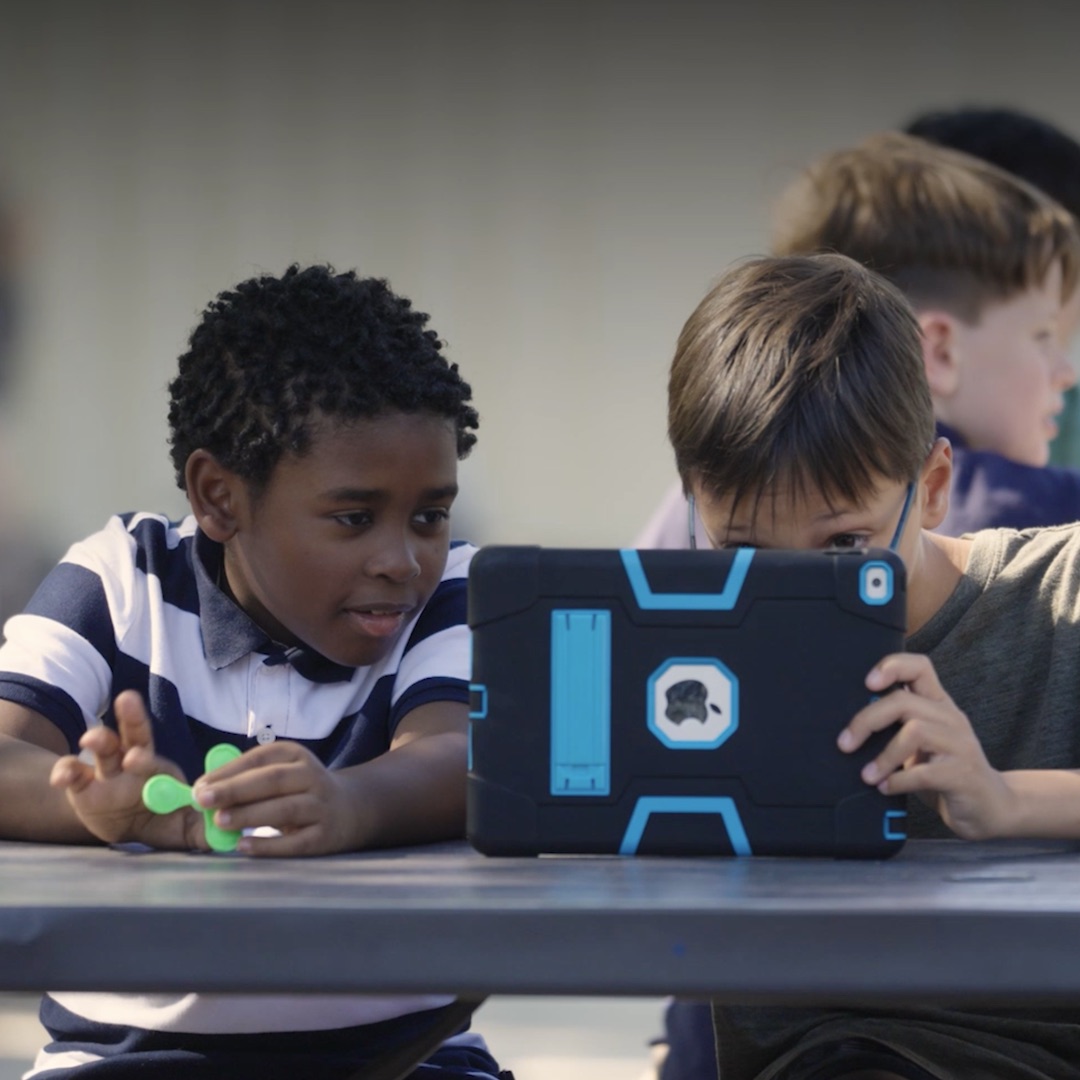
The Los Angeles Unified School District, the second-largest in the country, just approved districtwide screen time limits starting in the 2026–27 school year. Students through 1st grade won't use school devices, grades 2–5 will move from 1-to-1 iPads to shared laptop carts, and older students will face screen time limits with YouTube blocked. Devices also won't be allowed during passing periods, lunch, or recess. Credit goes to the parent- and teacher-led group Schools Beyond Screens, whose organizing and advocacy work helped make it happen.
READ MORE >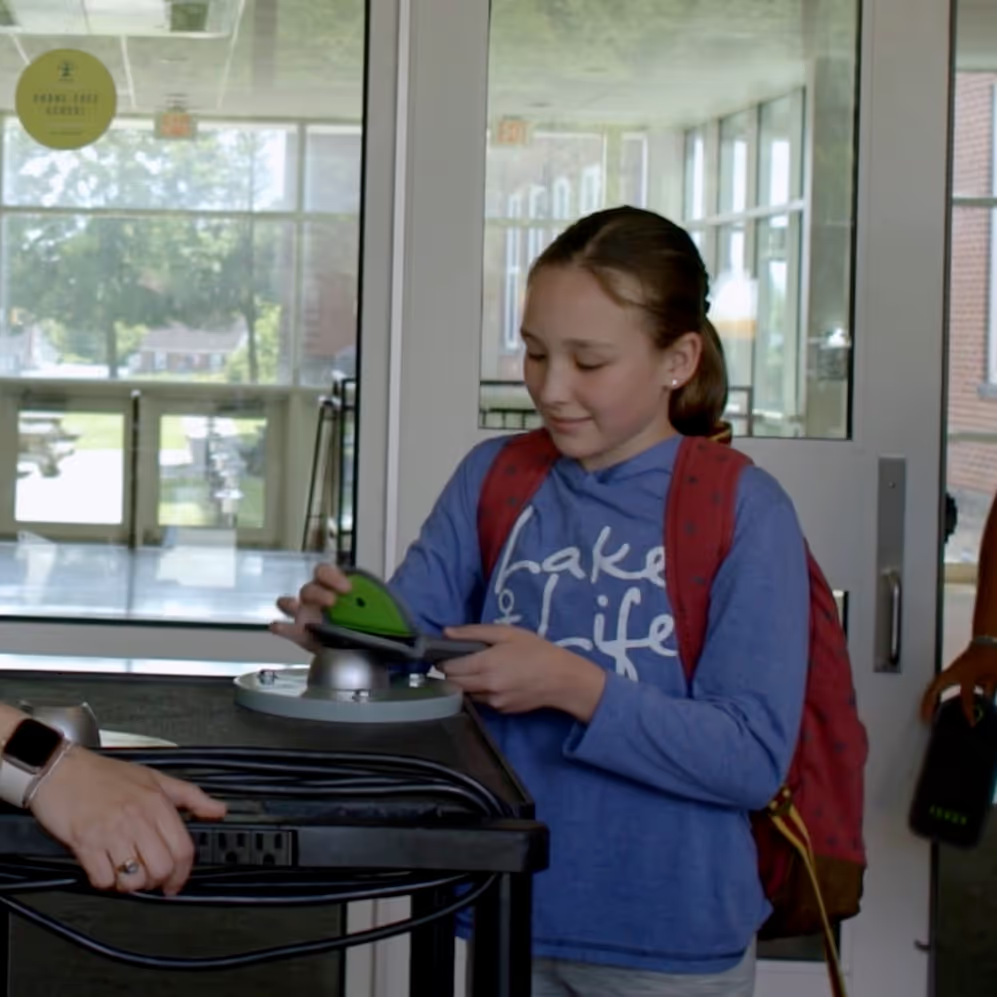
This year, millions of students are experiencing a major shift: school days without phones, smartwatches, or other personal devices. Today we explore the wins, hurdles, and solutions helping schools succeed. We also share our resources that you can use to support technology policy changes in your schools.
READ MORE >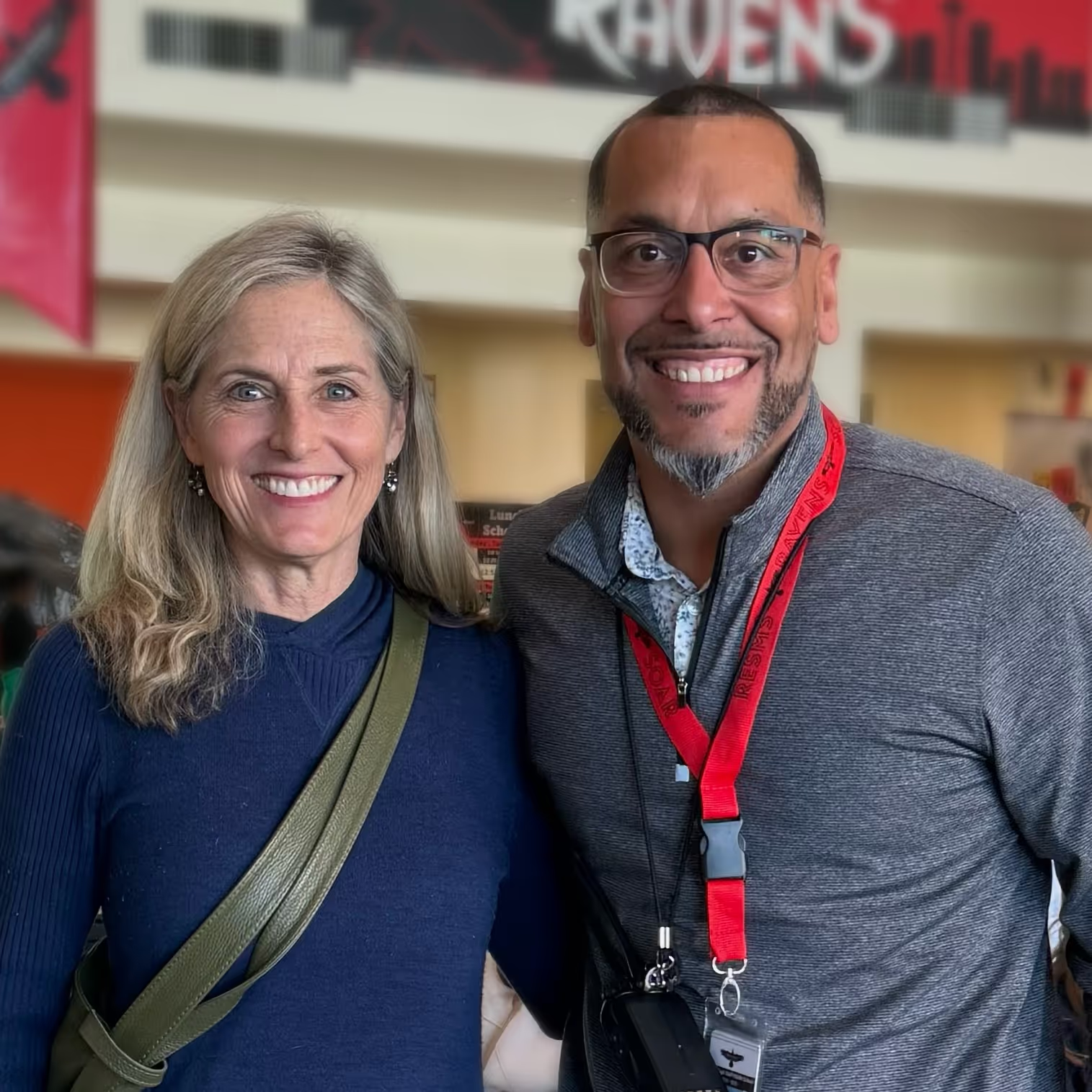
I recently sat down with middle school principal Zach at his school in Washington State. We talked about the challenges Zach and his team faced in his early years as principal when students used phones during school, and how he brought about a powerful transformation by having phones and smartwatches put away in locked pouches for the whole school day. In today’s blog, to raise awareness of the challenges, I share five real examples from Zach of the troubling ways students use phones at school to be unkind.
READ MORE >for more like this, DR. DELANEY RUSTON'S NEW BOOK, PARENTING IN THE SCREEN AGE, IS THE DEFINITIVE GUIDE FOR TODAY’S PARENTS. WITH INSIGHTS ON SCREEN TIME FROM RESEARCHERS, INPUT FROM KIDS & TEENS, THIS BOOK IS PACKED WITH SOLUTIONS FOR HOW TO START AND SUSTAIN PRODUCTIVE FAMILY TALKS ABOUT TECHNOLOGY AND IT’S IMPACT ON OUR MENTAL WELLBEING.