


This week The World Health Organization (WHO) released guidelines around screen time for children 5 and under. They recommend no screen time for children less than 1. For children 2 to 5 years old, they recommend no more than an hour a day which is in line with the American Association of Pediatrics (AAP) (although the AAP says that 18 months and younger can do Facetime, i.e. interact with their grandma).
The WHO report is all about how we can address major problems related to sleep and physical activity deprivation in youth globally. WHO has come to the conclusion that in order to improve the overall health in all humans, physical activity and sleep are key, and that those habits and patterns are learned early in life ... and screen time is impacting these goals.
“What we really need to do is bring back play for children,” says Dr. Juana Willumsen, WHO focal point for childhood obesity and physical activity. “This is about making the shift from sedentary time to playtime, while protecting sleep.”
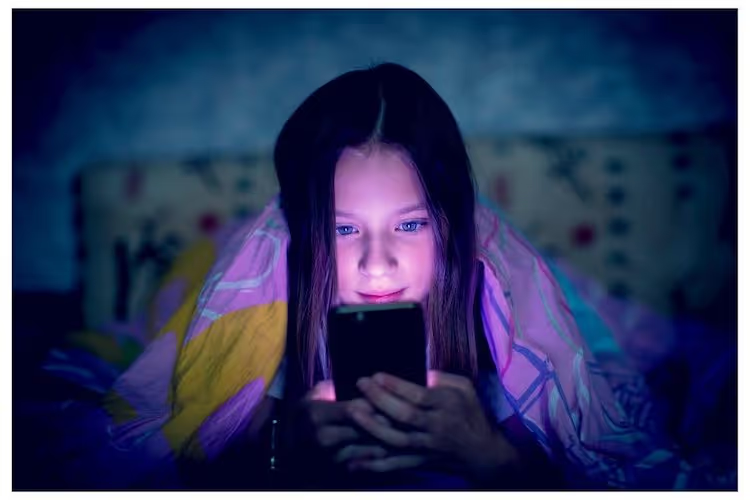
This week I had already planned to write something about sleep, so I’m very happy to see this news. The struggle is real. At night, parents are tired and kids are wired. Getting kids and teens to bed is often a hard job, especially when you are trying to get them to turn off the screens. I call this Bedtime Madness—I am mainly referring to the mad feelings I have had as a parent (and so many I have spoken to) when it comes to sleep time.
Sure, you might have snuck a flashlight under the covers to read late into the night—but today we are battling instant access and constant content, available all day and night.
Scientists say that middle schoolers and teenagers should get roughly nine hours of sleep per night. In actuality, they are getting much less—in fact nearly 50% of 15 to 18-year-olds report getting less than 7 hours “most nights of the week.” Although I have written before about why it is so important they get enough sleep, today I want to propose strategies to try to put an end to bedtime madness.
Promote Reading. This is something I’m sure most of you already do. Reading to your child, with your child, or them just reading alone is a great way to prepare their minds and bodies for sleep. A new study says that a book is better than an e-reader found that “Parents and toddlers verbalized less with electronic books, and collaboration was lower.”
Something I did with my kids when they were younger was found fun places to read a book at night. I would grab a blanket and pillow and set up an impromptu “pop-up” reading room on the hallway floor. They loved it.
Modeling going to bed yourself with a book in hand (vs. a device) is a great way of course to increase the chance they will do the same when older.
You would be shocked to know how many patients I see who have insomnia, including older teens. Talking about sleep hygiene when they are young is so important and reading is such a good habit for bringing on sleep.
Know It is Never too Late to Make the Bedroom Screen-Free. I believe so strongly that our job as parents is to model parenting with integrity—i.e. in line with our values. And, that will mean that many times we will openly talk with our kids about how we have made choices that we realize are not in alignment with our true goals—and that while we let screens be in your room at night, we are now rethinking this because of x, y, z rules. From there, there can be some negotiation, such as for weekends vs. weekdays—but the point is, you are modeling doing something that science has shown is good for their brain development, emotional development, academics and much more. And remember, even if they are indeed not going on their screens at night, wait until a boyfriend or girlfriend enters the scene. Setting up sound policies before temptations are that much stronger is an awesome parenting move.
Collaborate on Choosing a Lights Out, Screens-Off Time. With teens, making sure they feel like they have some say in the time that tech is turned off is key. I know at times teens just roll their eyes when we ask for them to help us create rules that they will follow. Having their buy-in makes it easier for them to cooperate. My daughter really wanted to have her phone first thing in the morning. I didn’t want her to. I felt it would exacerbate dependence on the device. She wanted to connect with friends in the morning to talk about clothes and school events. We allowed it. Showing her that we listened to what was important to her made it easier for her to agree on an acceptable time to turn tech off at night. Compromise is key.
Auto Off. We all know that kids do not always do what we ask them to. To eliminate the nagging and arguments about getting them to turn their device off, use the technology available to do it for you. Apple’s Screen Time can be set to shut down apps on your child’s phone. Circle Home Plus allows you to control all of your families connected technology—phones, gaming consoles, WiFi and tablets—from one app and device. If you are an Xfinity customer you can set controls on content and connection. And, there are more resources here.
ONE MORE THING… Check out the hundreds of screen-free family events going on around the U.S. this week for Screen Free Week.
We would love for you to share this TTT any way that works for you, whether that’s on social media or via a newsletter. If you want to send it out in your newsletter we just ask that you credit us and link to our website, and let us know at lisa@screenagersmovie.com.
HOST A SCREENING to help spark change.
FIND EVENT LISTINGS
Do you organize professional development in schools? We now have a 6-hour, 3-part training module. Request more information here Professional Development.
Stay in touch with the Screenagers community on Facebook, Twitter and leave comments below


Learn more about showing our movies in your school or community!
Join Screenagers filmmaker Delaney Ruston MD for our latest Podcast

Learn more about our Screen-Free Sleep campaign at the website!
Our movie made for parents and educators of younger kids
Learn more about showing our movies in your school or community!
Register your interest in bringing our new movie to your school or community
Learn more about showing our movies in your school or community!
Join Screenagers filmmaker Delaney Ruston MD for our latest Podcast
Learn more about our Screen-Free Sleep campaign at the website!
Our movie made for parents and educators of younger kids
Join Screenagers filmmaker Delaney Ruston MD for our latest Podcast
Register your interest in bringing our new movie to your school or community

As we’re about to celebrate 10 years of Screenagers, we want to hear what’s been most helpful and what you’d like to see next.
Please click here to share your thoughts with us in our community survey. It only takes 5–10 minutes, and everyone who completes it will be entered to win one of five $50 Amazon vouchers.
This week The World Health Organization (WHO) released guidelines around screen time for children 5 and under. They recommend no screen time for children less than 1. For children 2 to 5 years old, they recommend no more than an hour a day which is in line with the American Association of Pediatrics (AAP) (although the AAP says that 18 months and younger can do Facetime, i.e. interact with their grandma).
The WHO report is all about how we can address major problems related to sleep and physical activity deprivation in youth globally. WHO has come to the conclusion that in order to improve the overall health in all humans, physical activity and sleep are key, and that those habits and patterns are learned early in life ... and screen time is impacting these goals.
“What we really need to do is bring back play for children,” says Dr. Juana Willumsen, WHO focal point for childhood obesity and physical activity. “This is about making the shift from sedentary time to playtime, while protecting sleep.”
This week I had already planned to write something about sleep, so I’m very happy to see this news. The struggle is real. At night, parents are tired and kids are wired. Getting kids and teens to bed is often a hard job, especially when you are trying to get them to turn off the screens. I call this Bedtime Madness—I am mainly referring to the mad feelings I have had as a parent (and so many I have spoken to) when it comes to sleep time.
Sure, you might have snuck a flashlight under the covers to read late into the night—but today we are battling instant access and constant content, available all day and night.
Scientists say that middle schoolers and teenagers should get roughly nine hours of sleep per night. In actuality, they are getting much less—in fact nearly 50% of 15 to 18-year-olds report getting less than 7 hours “most nights of the week.” Although I have written before about why it is so important they get enough sleep, today I want to propose strategies to try to put an end to bedtime madness.
Promote Reading. This is something I’m sure most of you already do. Reading to your child, with your child, or them just reading alone is a great way to prepare their minds and bodies for sleep. A new study says that a book is better than an e-reader found that “Parents and toddlers verbalized less with electronic books, and collaboration was lower.”
Something I did with my kids when they were younger was found fun places to read a book at night. I would grab a blanket and pillow and set up an impromptu “pop-up” reading room on the hallway floor. They loved it.
Modeling going to bed yourself with a book in hand (vs. a device) is a great way of course to increase the chance they will do the same when older.
You would be shocked to know how many patients I see who have insomnia, including older teens. Talking about sleep hygiene when they are young is so important and reading is such a good habit for bringing on sleep.
Know It is Never too Late to Make the Bedroom Screen-Free. I believe so strongly that our job as parents is to model parenting with integrity—i.e. in line with our values. And, that will mean that many times we will openly talk with our kids about how we have made choices that we realize are not in alignment with our true goals—and that while we let screens be in your room at night, we are now rethinking this because of x, y, z rules. From there, there can be some negotiation, such as for weekends vs. weekdays—but the point is, you are modeling doing something that science has shown is good for their brain development, emotional development, academics and much more. And remember, even if they are indeed not going on their screens at night, wait until a boyfriend or girlfriend enters the scene. Setting up sound policies before temptations are that much stronger is an awesome parenting move.
Collaborate on Choosing a Lights Out, Screens-Off Time. With teens, making sure they feel like they have some say in the time that tech is turned off is key. I know at times teens just roll their eyes when we ask for them to help us create rules that they will follow. Having their buy-in makes it easier for them to cooperate. My daughter really wanted to have her phone first thing in the morning. I didn’t want her to. I felt it would exacerbate dependence on the device. She wanted to connect with friends in the morning to talk about clothes and school events. We allowed it. Showing her that we listened to what was important to her made it easier for her to agree on an acceptable time to turn tech off at night. Compromise is key.
Auto Off. We all know that kids do not always do what we ask them to. To eliminate the nagging and arguments about getting them to turn their device off, use the technology available to do it for you. Apple’s Screen Time can be set to shut down apps on your child’s phone. Circle Home Plus allows you to control all of your families connected technology—phones, gaming consoles, WiFi and tablets—from one app and device. If you are an Xfinity customer you can set controls on content and connection. And, there are more resources here.
ONE MORE THING… Check out the hundreds of screen-free family events going on around the U.S. this week for Screen Free Week.
We would love for you to share this TTT any way that works for you, whether that’s on social media or via a newsletter. If you want to send it out in your newsletter we just ask that you credit us and link to our website, and let us know at lisa@screenagersmovie.com.
HOST A SCREENING to help spark change.
FIND EVENT LISTINGS
Do you organize professional development in schools? We now have a 6-hour, 3-part training module. Request more information here Professional Development.
Stay in touch with the Screenagers community on Facebook, Twitter and leave comments below
Sign up here to receive the weekly Tech Talk Tuesdays newsletter from Screenagers filmmaker Delaney Ruston MD.
We respect your privacy.
This week The World Health Organization (WHO) released guidelines around screen time for children 5 and under. They recommend no screen time for children less than 1. For children 2 to 5 years old, they recommend no more than an hour a day which is in line with the American Association of Pediatrics (AAP) (although the AAP says that 18 months and younger can do Facetime, i.e. interact with their grandma).
The WHO report is all about how we can address major problems related to sleep and physical activity deprivation in youth globally. WHO has come to the conclusion that in order to improve the overall health in all humans, physical activity and sleep are key, and that those habits and patterns are learned early in life ... and screen time is impacting these goals.
“What we really need to do is bring back play for children,” says Dr. Juana Willumsen, WHO focal point for childhood obesity and physical activity. “This is about making the shift from sedentary time to playtime, while protecting sleep.”
This week I had already planned to write something about sleep, so I’m very happy to see this news. The struggle is real. At night, parents are tired and kids are wired. Getting kids and teens to bed is often a hard job, especially when you are trying to get them to turn off the screens. I call this Bedtime Madness—I am mainly referring to the mad feelings I have had as a parent (and so many I have spoken to) when it comes to sleep time.
Sure, you might have snuck a flashlight under the covers to read late into the night—but today we are battling instant access and constant content, available all day and night.
Scientists say that middle schoolers and teenagers should get roughly nine hours of sleep per night. In actuality, they are getting much less—in fact nearly 50% of 15 to 18-year-olds report getting less than 7 hours “most nights of the week.” Although I have written before about why it is so important they get enough sleep, today I want to propose strategies to try to put an end to bedtime madness.
Promote Reading. This is something I’m sure most of you already do. Reading to your child, with your child, or them just reading alone is a great way to prepare their minds and bodies for sleep. A new study says that a book is better than an e-reader found that “Parents and toddlers verbalized less with electronic books, and collaboration was lower.”
Something I did with my kids when they were younger was found fun places to read a book at night. I would grab a blanket and pillow and set up an impromptu “pop-up” reading room on the hallway floor. They loved it.
Modeling going to bed yourself with a book in hand (vs. a device) is a great way of course to increase the chance they will do the same when older.
You would be shocked to know how many patients I see who have insomnia, including older teens. Talking about sleep hygiene when they are young is so important and reading is such a good habit for bringing on sleep.
Know It is Never too Late to Make the Bedroom Screen-Free. I believe so strongly that our job as parents is to model parenting with integrity—i.e. in line with our values. And, that will mean that many times we will openly talk with our kids about how we have made choices that we realize are not in alignment with our true goals—and that while we let screens be in your room at night, we are now rethinking this because of x, y, z rules. From there, there can be some negotiation, such as for weekends vs. weekdays—but the point is, you are modeling doing something that science has shown is good for their brain development, emotional development, academics and much more. And remember, even if they are indeed not going on their screens at night, wait until a boyfriend or girlfriend enters the scene. Setting up sound policies before temptations are that much stronger is an awesome parenting move.
Collaborate on Choosing a Lights Out, Screens-Off Time. With teens, making sure they feel like they have some say in the time that tech is turned off is key. I know at times teens just roll their eyes when we ask for them to help us create rules that they will follow. Having their buy-in makes it easier for them to cooperate. My daughter really wanted to have her phone first thing in the morning. I didn’t want her to. I felt it would exacerbate dependence on the device. She wanted to connect with friends in the morning to talk about clothes and school events. We allowed it. Showing her that we listened to what was important to her made it easier for her to agree on an acceptable time to turn tech off at night. Compromise is key.
Auto Off. We all know that kids do not always do what we ask them to. To eliminate the nagging and arguments about getting them to turn their device off, use the technology available to do it for you. Apple’s Screen Time can be set to shut down apps on your child’s phone. Circle Home Plus allows you to control all of your families connected technology—phones, gaming consoles, WiFi and tablets—from one app and device. If you are an Xfinity customer you can set controls on content and connection. And, there are more resources here.
ONE MORE THING… Check out the hundreds of screen-free family events going on around the U.S. this week for Screen Free Week.
We would love for you to share this TTT any way that works for you, whether that’s on social media or via a newsletter. If you want to send it out in your newsletter we just ask that you credit us and link to our website, and let us know at lisa@screenagersmovie.com.
HOST A SCREENING to help spark change.
FIND EVENT LISTINGS
Do you organize professional development in schools? We now have a 6-hour, 3-part training module. Request more information here Professional Development.
Stay in touch with the Screenagers community on Facebook, Twitter and leave comments below
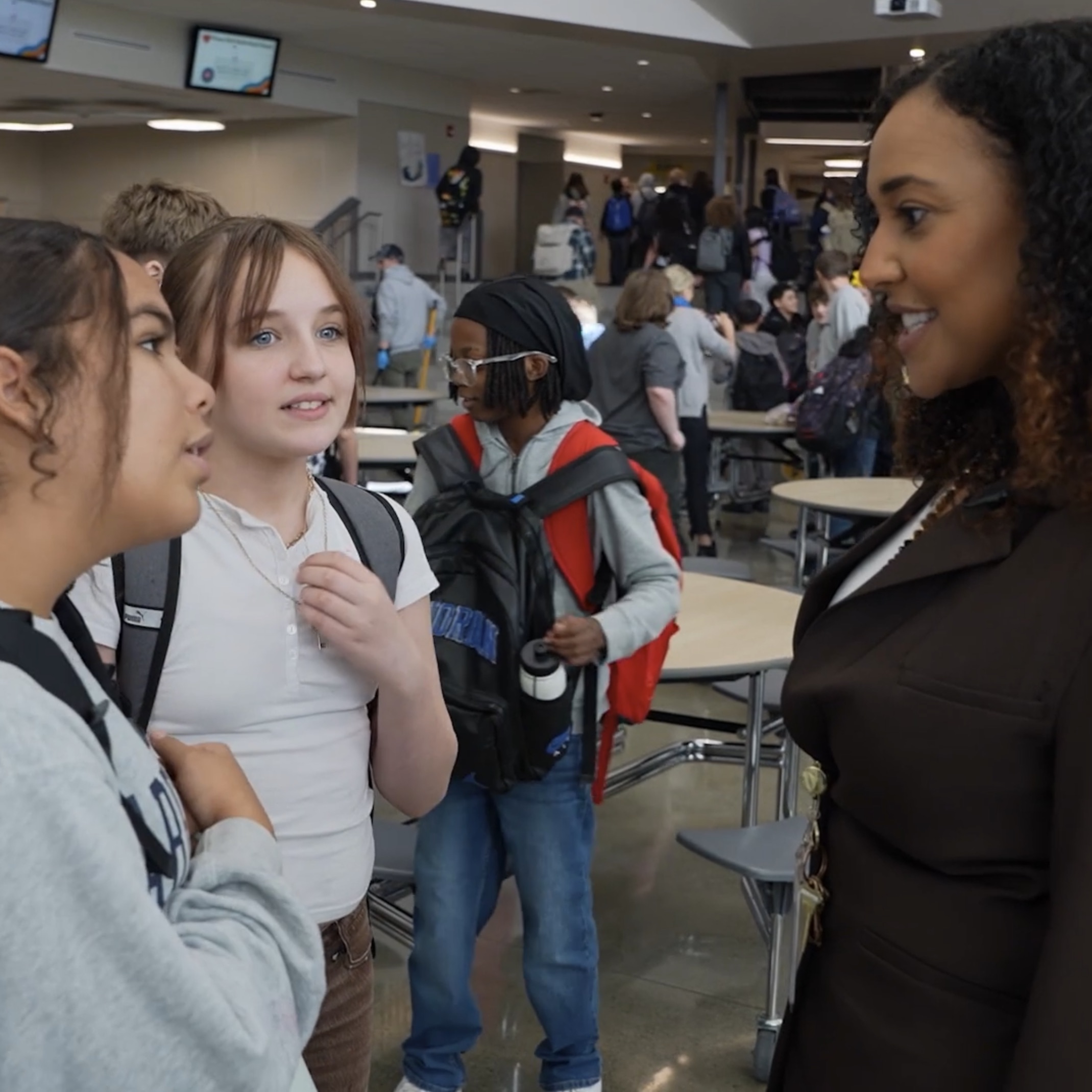
Many kids have nothing to do after school, so they go home to screens and, increasingly, AI chatbots. Spokane Public Schools tackled this by hiring "Engagement Navigators" who proactively find these students and help them get involved, a program we feature in Screenagers: Generation AI. I also share a patient's story, advice for parents whose teens refuse activities, and ways to help other kids get involved.
READ MORE >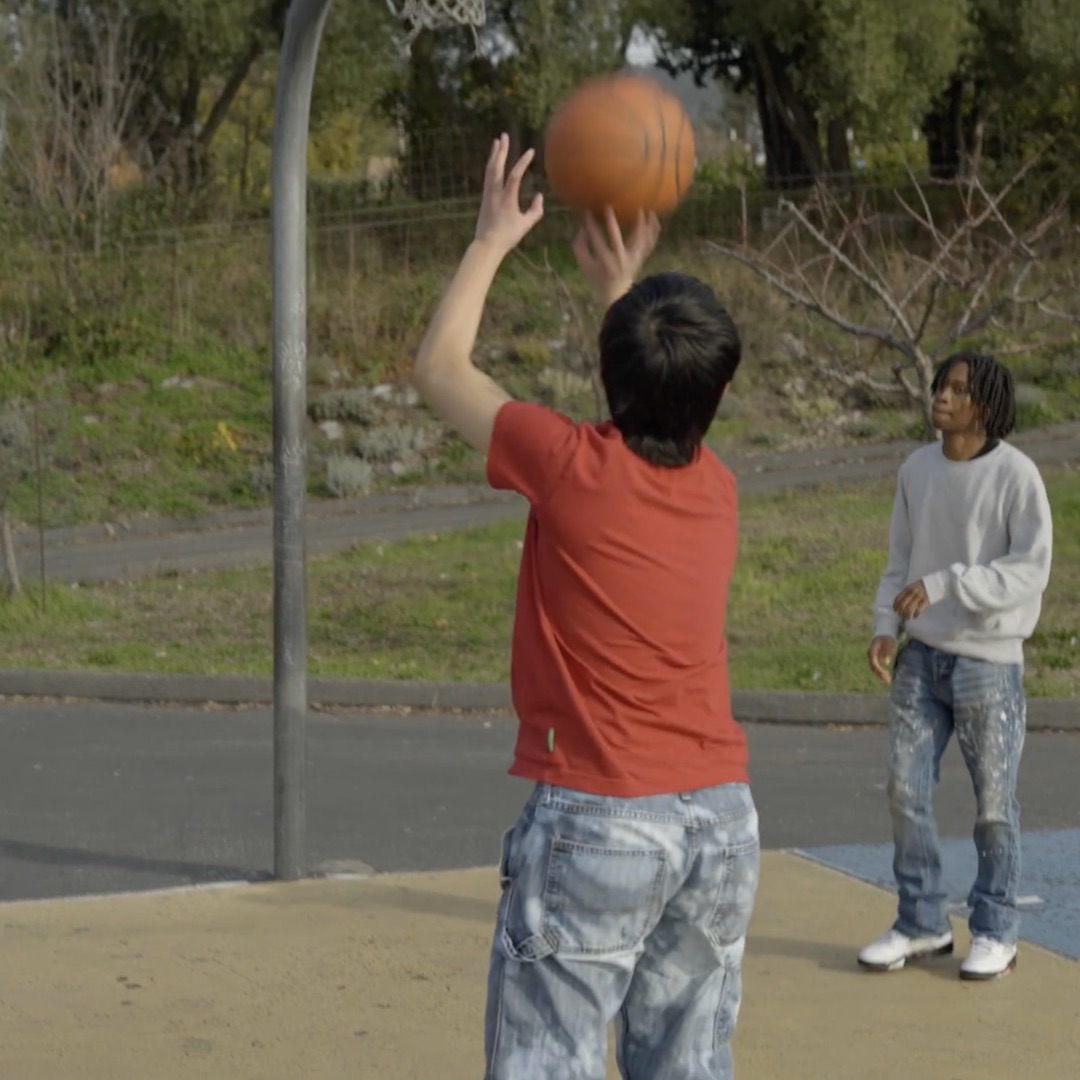
Tech journalist Manoush Zomorodi recently shared with Delaney the story behind her new book Body Electric and the citizen science experiment she ran with NPR and Dr. Keith Diaz of Columbia. The 20,000-person study found that five minutes of movement for every thirty minutes of sitting dropped fatigue by up to 28%, lowered blood glucose and blood pressure, and improved focus and mood. Plus, five practical reframes for talking to kids about movement without the eye rolls.
READ MORE >
for more like this, DR. DELANEY RUSTON'S NEW BOOK, PARENTING IN THE SCREEN AGE, IS THE DEFINITIVE GUIDE FOR TODAY’S PARENTS. WITH INSIGHTS ON SCREEN TIME FROM RESEARCHERS, INPUT FROM KIDS & TEENS, THIS BOOK IS PACKED WITH SOLUTIONS FOR HOW TO START AND SUSTAIN PRODUCTIVE FAMILY TALKS ABOUT TECHNOLOGY AND IT’S IMPACT ON OUR MENTAL WELLBEING.