

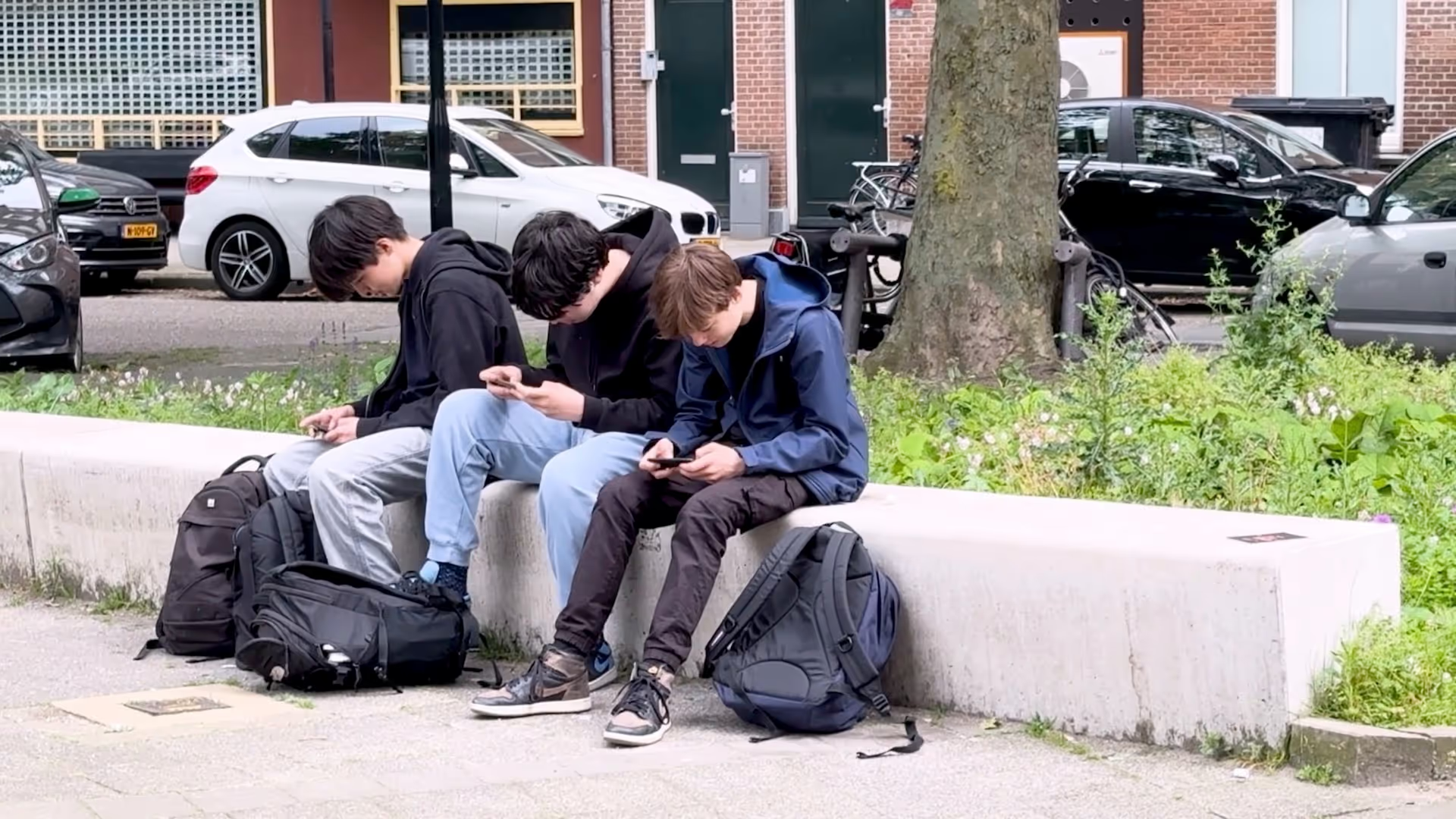


Boys are surrounded by media that links masculinity with aggression, dominance, and control, from gaming and influencers to red-pill spaces online. These narrow messages shape how many boys talk, act, and see themselves. Parents can counter this by helping boys practice small acts of interruption when harm shows up, remember the humanity of people behind screens, and hear adults clearly model their own values. These strategies strengthen empathy and broaden boys’ ideas of what it means to be strong.
From Call of Duty and Grand Theft Auto to violence and gunfire in movies and shows, aggression is a constant backdrop in boys’ media diets.
Fitness influencers glorify big muscles and strength (something Jonathan Haidt discusses in our latest film, Screenagers Elementary School Age Edition) while popular online personalities like Jake and Logan Paul, iShowSpeed, and MrBeast frame success around competition, dominance, and winning.
Meanwhile, in darker corners of the internet, manosphere and red-pill voices push messages that equate masculinity with control and promote troubling attitudes toward women and what it means to be a man.
These influences hand boys a narrow script for masculinity. While many boys know this is not the full story, the pressure is real. It shapes how they act in gaming chats, how they talk with friends online, and how they think about themselves.
As parents, one of the most important things we can do is offer a counterweight. We can help boys strengthen empathy, compassion, and respect as core traits of masculinity, so they have a broader, healthier vision of who they can become.
In our latest Parenting in the Screen Age podcast, I spoke with Christopher Pepper, a longtime San Francisco teacher who has led boys’ health groups in schools, and Joanna Schroeder, a journalist who writes extensively about gender and parenting.
Together they’ve co-authored the new book Talk To Your Boys: 16 Conversations to Help Tweens and Teens Grow Into Confident, Caring Young Men, already featured on CNN and other outlets.


Learn more about showing our movies in your school or community!
Join Screenagers filmmaker Delaney Ruston MD for our latest Podcast

Learn more about our Screen-Free Sleep campaign at the website!
Our movie made for parents and educators of younger kids
Learn more about showing our movies in your school or community!
Register your interest in bringing our new movie to your school or community
Here are three strategies (among many) they shared that can help boys push back against the pressures of aggressive masculinity and strengthen their capacity for empathy:
One of my favorite takeaways was Joanna’s focus on “interrupters,” which are people’s simple, direct actions that halt harm.
“Even a quick ‘That’s not cool’ in a group chat or a private DM goes a long way,” Joanna explained.
Interruption can also mean distraction. For example, if they hear a player use a racist insult in an online game, they could say, “Don’t be racist…hey, look at this new quest,”, or a parent calling out from the next room, “I’m listening,” to reset the tone.
These moves help protect targets and model courage without escalating conflict.
Whether on gaming platforms or social media, it’s easy for kids to forget there are real people with real struggles on the other side.
“Remind them that the people they’re playing with are just other kids trying to get through their day,” Chris urged.
Joanna added that assuming someone’s life may be harder than it seems can naturally steer boys toward empathy and kinder choices.
Chris reminded me how powerful it is for parents to clearly state what they believe. Many adults assume kids “just know” that slurs or cruel teasing are wrong. But boys want to hear our stance.
“We want to know what the adults in our lives think and we want to hear from them regularly,” Chris said.
He talked about the incredible power of bringing up different real-life scenarios and, based on our own values, how we would have handled things.
Chris often says, “I heard someone say (such and such) today; here’s how I would have handled it.” There is no lecture… just lived guidance. I love that.
And in closing, let me reiterate that the podcast episode with Christopher and Joanna, titled Talking To Your Boys: Masculinity, Gaming, and Their Online Lives, has many other wise pointers. I hope you listen and share it with others.
Learn more about showing our movies in your school or community!
Join Screenagers filmmaker Delaney Ruston MD for our latest Podcast
Learn more about our Screen-Free Sleep campaign at the website!
Our movie made for parents and educators of younger kids
Join Screenagers filmmaker Delaney Ruston MD for our latest Podcast
Register your interest in bringing our new movie to your school or community
Subscribe to our YouTube Channel! We add new videos regularly and you'll find over 100 videos covering parenting advice, guidance, podcasts, movie clips and more. Here's our most recent:

As we’re about to celebrate 10 years of Screenagers, we want to hear what’s been most helpful and what you’d like to see next.
Please click here to share your thoughts with us in our community survey. It only takes 5–10 minutes, and everyone who completes it will be entered to win one of five $50 Amazon vouchers.
From Call of Duty and Grand Theft Auto to violence and gunfire in movies and shows, aggression is a constant backdrop in boys’ media diets.
Fitness influencers glorify big muscles and strength (something Jonathan Haidt discusses in our latest film, Screenagers Elementary School Age Edition) while popular online personalities like Jake and Logan Paul, iShowSpeed, and MrBeast frame success around competition, dominance, and winning.
Meanwhile, in darker corners of the internet, manosphere and red-pill voices push messages that equate masculinity with control and promote troubling attitudes toward women and what it means to be a man.
These influences hand boys a narrow script for masculinity. While many boys know this is not the full story, the pressure is real. It shapes how they act in gaming chats, how they talk with friends online, and how they think about themselves.
As parents, one of the most important things we can do is offer a counterweight. We can help boys strengthen empathy, compassion, and respect as core traits of masculinity, so they have a broader, healthier vision of who they can become.
In our latest Parenting in the Screen Age podcast, I spoke with Christopher Pepper, a longtime San Francisco teacher who has led boys’ health groups in schools, and Joanna Schroeder, a journalist who writes extensively about gender and parenting.
Together they’ve co-authored the new book Talk To Your Boys: 16 Conversations to Help Tweens and Teens Grow Into Confident, Caring Young Men, already featured on CNN and other outlets.
Here are three strategies (among many) they shared that can help boys push back against the pressures of aggressive masculinity and strengthen their capacity for empathy:
One of my favorite takeaways was Joanna’s focus on “interrupters,” which are people’s simple, direct actions that halt harm.
“Even a quick ‘That’s not cool’ in a group chat or a private DM goes a long way,” Joanna explained.
Interruption can also mean distraction. For example, if they hear a player use a racist insult in an online game, they could say, “Don’t be racist…hey, look at this new quest,”, or a parent calling out from the next room, “I’m listening,” to reset the tone.
These moves help protect targets and model courage without escalating conflict.
Whether on gaming platforms or social media, it’s easy for kids to forget there are real people with real struggles on the other side.
“Remind them that the people they’re playing with are just other kids trying to get through their day,” Chris urged.
Joanna added that assuming someone’s life may be harder than it seems can naturally steer boys toward empathy and kinder choices.
Chris reminded me how powerful it is for parents to clearly state what they believe. Many adults assume kids “just know” that slurs or cruel teasing are wrong. But boys want to hear our stance.
“We want to know what the adults in our lives think and we want to hear from them regularly,” Chris said.
He talked about the incredible power of bringing up different real-life scenarios and, based on our own values, how we would have handled things.
Chris often says, “I heard someone say (such and such) today; here’s how I would have handled it.” There is no lecture… just lived guidance. I love that.
And in closing, let me reiterate that the podcast episode with Christopher and Joanna, titled Talking To Your Boys: Masculinity, Gaming, and Their Online Lives, has many other wise pointers. I hope you listen and share it with others.
Subscribe to our YouTube Channel! We add new videos regularly and you'll find over 100 videos covering parenting advice, guidance, podcasts, movie clips and more. Here's our most recent:
Sign up here to receive the weekly Tech Talk Tuesdays newsletter from Screenagers filmmaker Delaney Ruston MD.
We respect your privacy.
From Call of Duty and Grand Theft Auto to violence and gunfire in movies and shows, aggression is a constant backdrop in boys’ media diets.
Fitness influencers glorify big muscles and strength (something Jonathan Haidt discusses in our latest film, Screenagers Elementary School Age Edition) while popular online personalities like Jake and Logan Paul, iShowSpeed, and MrBeast frame success around competition, dominance, and winning.
Meanwhile, in darker corners of the internet, manosphere and red-pill voices push messages that equate masculinity with control and promote troubling attitudes toward women and what it means to be a man.
These influences hand boys a narrow script for masculinity. While many boys know this is not the full story, the pressure is real. It shapes how they act in gaming chats, how they talk with friends online, and how they think about themselves.
As parents, one of the most important things we can do is offer a counterweight. We can help boys strengthen empathy, compassion, and respect as core traits of masculinity, so they have a broader, healthier vision of who they can become.
In our latest Parenting in the Screen Age podcast, I spoke with Christopher Pepper, a longtime San Francisco teacher who has led boys’ health groups in schools, and Joanna Schroeder, a journalist who writes extensively about gender and parenting.
Together they’ve co-authored the new book Talk To Your Boys: 16 Conversations to Help Tweens and Teens Grow Into Confident, Caring Young Men, already featured on CNN and other outlets.
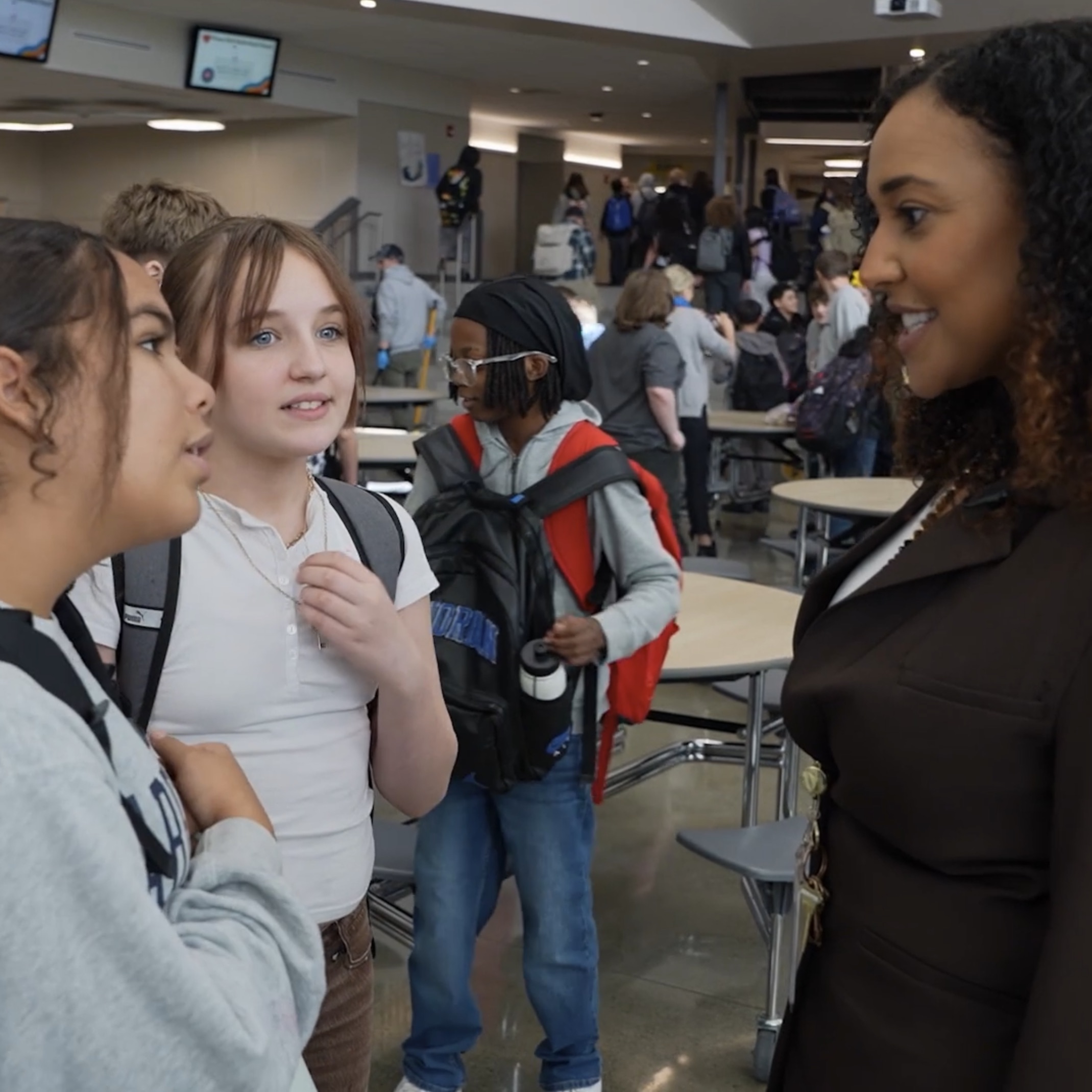
Many kids have nothing to do after school, so they go home to screens and, increasingly, AI chatbots. Spokane Public Schools tackled this by hiring "Engagement Navigators" who proactively find these students and help them get involved, a program we feature in Screenagers: Generation AI. I also share a patient's story, advice for parents whose teens refuse activities, and ways to help other kids get involved.
READ MORE >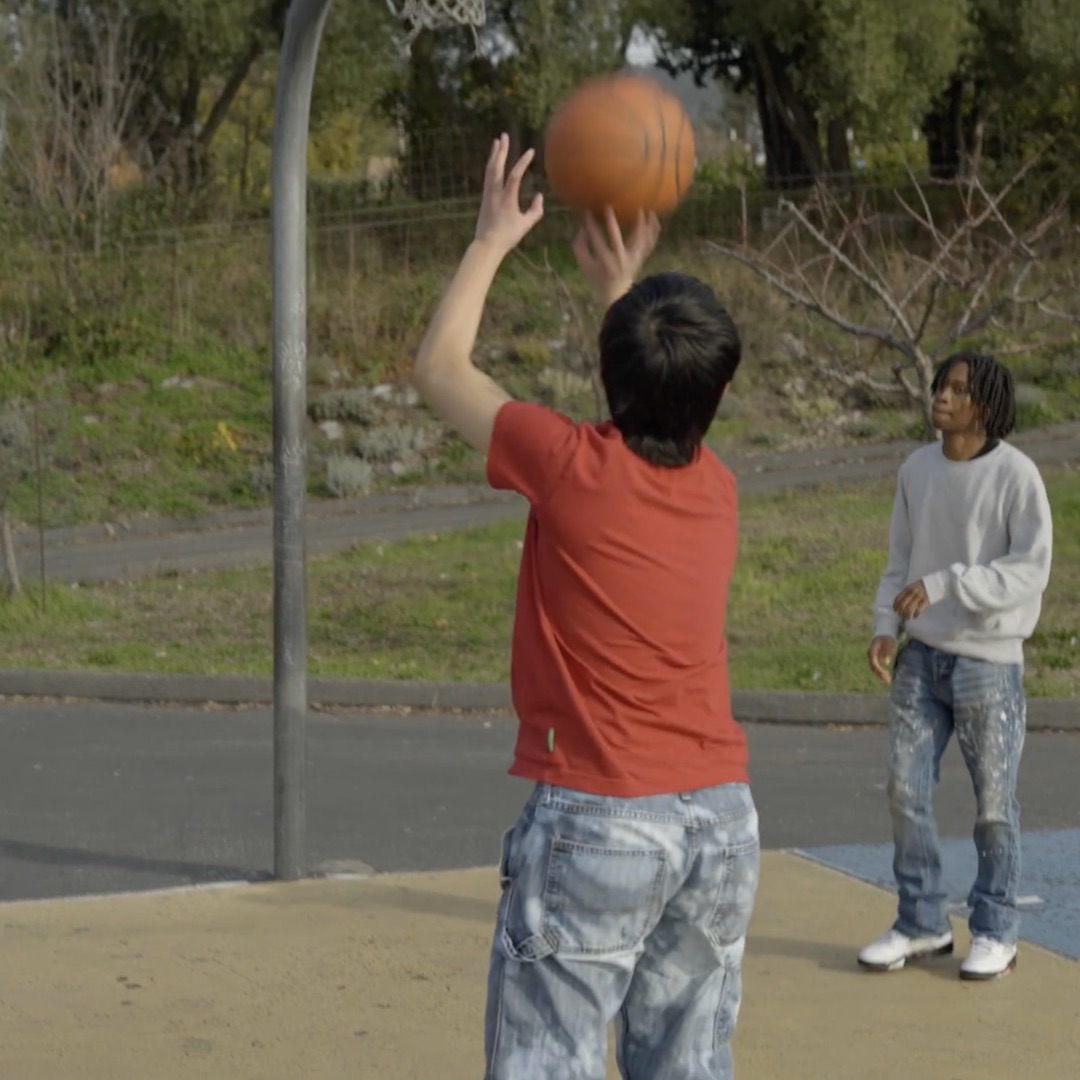
Tech journalist Manoush Zomorodi recently shared with Delaney the story behind her new book Body Electric and the citizen science experiment she ran with NPR and Dr. Keith Diaz of Columbia. The 20,000-person study found that five minutes of movement for every thirty minutes of sitting dropped fatigue by up to 28%, lowered blood glucose and blood pressure, and improved focus and mood. Plus, five practical reframes for talking to kids about movement without the eye rolls.
READ MORE >
for more like this, DR. DELANEY RUSTON'S NEW BOOK, PARENTING IN THE SCREEN AGE, IS THE DEFINITIVE GUIDE FOR TODAY’S PARENTS. WITH INSIGHTS ON SCREEN TIME FROM RESEARCHERS, INPUT FROM KIDS & TEENS, THIS BOOK IS PACKED WITH SOLUTIONS FOR HOW TO START AND SUSTAIN PRODUCTIVE FAMILY TALKS ABOUT TECHNOLOGY AND IT’S IMPACT ON OUR MENTAL WELLBEING.