



Media featuring alcohol abounds in young people’s lives.
Check out this short film clip from Screenagers Under The Influence to see what I mean:
How do we counter the unhealthy and untrue messages they get?
I have been thinking more about this since it is the holiday season, when gatherings with alcohol are common.
I offer 5 ideas today for topics to raise and for how to model alcohol use during holiday festivities, whether you yourself drink or not.
This is a very effective communication technique with teens because it shines a spotlight on fallibility in the adult world. Let them know that only 37% of adults know that alcohol raises the risk of many types of cancers.
Ask if they can guess which ones show a statistically significant link to alcohol. The main ones: liver, breast, colorectal, esophageal, and oral cancers.
Understanding that a behaviour carries a serious health risk is often the catalyst for change. That’s why it’s essential that every adult is aware of alcohol's link to cancer…only then can people make informed choices about their health.
It found that teens who see friends posting about alcohol are more likely to start drinking, partly because it makes them think drinking is normal and accepted.
Here is the study in brief:
Researchers surveyed 658 high school students twice, one year apart.
The students reported:
The study also identified why exposure to alcohol-related posts led to real-life drinking: seeing those posts made teens believe their peers approve of drinking.


Learn more about showing our movies in your school or community!
Join Screenagers filmmaker Delaney Ruston MD for our latest Podcast

Learn more about our Screen-Free Sleep campaign at the website!
Our movie made for parents and educators of younger kids
Learn more about showing our movies in your school or community!
Register your interest in bringing our new movie to your school or community
Friends were over the other night for dinner; he was from Belgium, and she was from the US.
They brought a bottle of wine, and each poured themselves a glass. When they finished, they said, “Let’s rotate with water.” They then used the same glass and filled it with water.
I asked if they did this whenever they drink wine, and they said, yep.
If you drink, consider doing something like that when kids or teens are around, and say out loud why you’re doing it. For example:
“I'm going to switch to water for a bit because it gives my body time to fully metabolize the alcohol I just had. Our bodies can only process a small amount of alcohol each hour, so taking breaks helps us feel better now and later.”
Research by Emily Falk, featured on Hidden Brain’s It’s Not My Fault episode, shows that when students imagined how a lower-drinking friend would behave, they ended up drinking less themselves.
It suggests that one of the simplest ways to make a wiser choice is to step outside ourselves for a moment and ask, “What would someone I admire do in this situation?”
Non-alcoholic beers, wines, and mocktails are all the rage right now and that’s a really good thing. More and more adults are choosing alcohol-free options, especially non-alcoholic beer, and it’s great to see the trend gaining momentum.
Bringing bubbly water, sparkling apple juice, or other festive alcohol-free drinks is another awesome move. Just last night, I brought a few bottles of sparkling water to a friend’s birthday party, and they were all gone in a couple of hours.
These simple choices help normalize the idea that celebrations don’t need alcohol; joy, connection, and good company are what truly make a moment special.
Learn more about showing our movies in your school or community!
Join Screenagers filmmaker Delaney Ruston MD for our latest Podcast
Learn more about our Screen-Free Sleep campaign at the website!
Our movie made for parents and educators of younger kids
Join Screenagers filmmaker Delaney Ruston MD for our latest Podcast
Register your interest in bringing our new movie to your school or community
Subscribe to our YouTube Channel! We add new videos regularly and you'll find over 100 videos covering parenting advice, guidance, podcasts, movie clips and more. Here's our most recent:

As we’re about to celebrate 10 years of Screenagers, we want to hear what’s been most helpful and what you’d like to see next.
Please click here to share your thoughts with us in our community survey. It only takes 5–10 minutes, and everyone who completes it will be entered to win one of five $50 Amazon vouchers.
Media featuring alcohol abounds in young people’s lives.
Check out this short film clip from Screenagers Under The Influence to see what I mean:
How do we counter the unhealthy and untrue messages they get?
I have been thinking more about this since it is the holiday season, when gatherings with alcohol are common.
I offer 5 ideas today for topics to raise and for how to model alcohol use during holiday festivities, whether you yourself drink or not.
This is a very effective communication technique with teens because it shines a spotlight on fallibility in the adult world. Let them know that only 37% of adults know that alcohol raises the risk of many types of cancers.
Ask if they can guess which ones show a statistically significant link to alcohol. The main ones: liver, breast, colorectal, esophageal, and oral cancers.
Understanding that a behaviour carries a serious health risk is often the catalyst for change. That’s why it’s essential that every adult is aware of alcohol's link to cancer…only then can people make informed choices about their health.
It found that teens who see friends posting about alcohol are more likely to start drinking, partly because it makes them think drinking is normal and accepted.
Here is the study in brief:
Researchers surveyed 658 high school students twice, one year apart.
The students reported:
The study also identified why exposure to alcohol-related posts led to real-life drinking: seeing those posts made teens believe their peers approve of drinking.
Friends were over the other night for dinner; he was from Belgium, and she was from the US.
They brought a bottle of wine, and each poured themselves a glass. When they finished, they said, “Let’s rotate with water.” They then used the same glass and filled it with water.
I asked if they did this whenever they drink wine, and they said, yep.
If you drink, consider doing something like that when kids or teens are around, and say out loud why you’re doing it. For example:
“I'm going to switch to water for a bit because it gives my body time to fully metabolize the alcohol I just had. Our bodies can only process a small amount of alcohol each hour, so taking breaks helps us feel better now and later.”
Research by Emily Falk, featured on Hidden Brain’s It’s Not My Fault episode, shows that when students imagined how a lower-drinking friend would behave, they ended up drinking less themselves.
It suggests that one of the simplest ways to make a wiser choice is to step outside ourselves for a moment and ask, “What would someone I admire do in this situation?”
Non-alcoholic beers, wines, and mocktails are all the rage right now and that’s a really good thing. More and more adults are choosing alcohol-free options, especially non-alcoholic beer, and it’s great to see the trend gaining momentum.
Bringing bubbly water, sparkling apple juice, or other festive alcohol-free drinks is another awesome move. Just last night, I brought a few bottles of sparkling water to a friend’s birthday party, and they were all gone in a couple of hours.
These simple choices help normalize the idea that celebrations don’t need alcohol; joy, connection, and good company are what truly make a moment special.
Subscribe to our YouTube Channel! We add new videos regularly and you'll find over 100 videos covering parenting advice, guidance, podcasts, movie clips and more. Here's our most recent:
Sign up here to receive the weekly Tech Talk Tuesdays newsletter from Screenagers filmmaker Delaney Ruston MD.
We respect your privacy.
Media featuring alcohol abounds in young people’s lives.
Check out this short film clip from Screenagers Under The Influence to see what I mean:
How do we counter the unhealthy and untrue messages they get?
I have been thinking more about this since it is the holiday season, when gatherings with alcohol are common.
I offer 5 ideas today for topics to raise and for how to model alcohol use during holiday festivities, whether you yourself drink or not.
This is a very effective communication technique with teens because it shines a spotlight on fallibility in the adult world. Let them know that only 37% of adults know that alcohol raises the risk of many types of cancers.
Ask if they can guess which ones show a statistically significant link to alcohol. The main ones: liver, breast, colorectal, esophageal, and oral cancers.
Understanding that a behaviour carries a serious health risk is often the catalyst for change. That’s why it’s essential that every adult is aware of alcohol's link to cancer…only then can people make informed choices about their health.
It found that teens who see friends posting about alcohol are more likely to start drinking, partly because it makes them think drinking is normal and accepted.
Here is the study in brief:
Researchers surveyed 658 high school students twice, one year apart.
The students reported:
The study also identified why exposure to alcohol-related posts led to real-life drinking: seeing those posts made teens believe their peers approve of drinking.

The Cornell case has raised urgent questions for parents about drugs, alcohol, and consent. This post includes 6 key points to bring up with tweens/teens whether you talk about this case or about drugs and consent more broadly, including a powerful question to help them think about what true consent means.
READ MORE >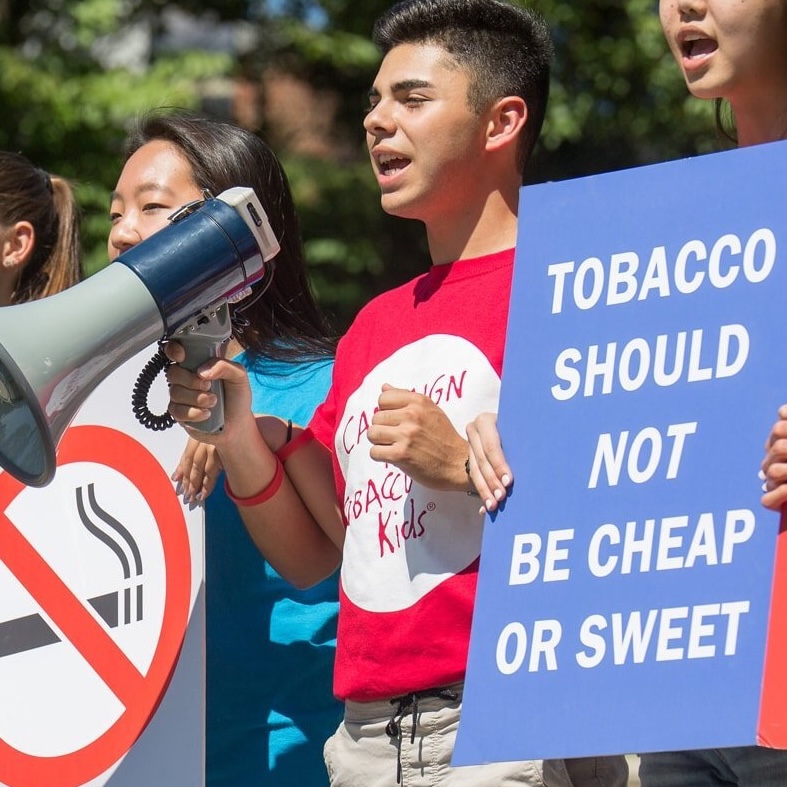
Teens are getting involved in civic action to fight Big Tobacco, which helps reduce screen time while making a real impact. From recent teen-led policy wins and youth advocacy at CADCA to ongoing legal cases questioning how social media platforms hook young users, the post highlights why this moment matters and shares national organizations where teens can get involved.
READ MORE >
This week is Red Ribbon Week, the nation’s longest-running youth drug-prevention program — and I can’t think of a more important time to talk about a new, dangerous substance spreading fast among teens called 7-OH that's derived from the kratom plant.
READ MORE >for more like this, DR. DELANEY RUSTON'S NEW BOOK, PARENTING IN THE SCREEN AGE, IS THE DEFINITIVE GUIDE FOR TODAY’S PARENTS. WITH INSIGHTS ON SCREEN TIME FROM RESEARCHERS, INPUT FROM KIDS & TEENS, THIS BOOK IS PACKED WITH SOLUTIONS FOR HOW TO START AND SUSTAIN PRODUCTIVE FAMILY TALKS ABOUT TECHNOLOGY AND IT’S IMPACT ON OUR MENTAL WELLBEING.