


Family time during the holiday is great….and complicated. So many unspoken needs and hopes, so many conflicting communication styles. It is easy to quickly retreat into our personal devices to soothe our tense feelings. My advice to myself, and to all of us, is to reach for a board game whenever possible. For my family, it’s Boggle. I’m also hoping to try to play Bananagrams more.
I filmed a family last week playing a Dr. Seuss board game, and it seriously warmed my heart. They all had each other's attention and playfulness—true connection in action.
It is a lot of fun to play video games as a family but we have to keep in mind it can also be very activating, eliciting adrenaline and cortisol. Bringing down the intensity level a bit with a slower paced silly board game can be awesome.
I keep thinking about the unconscious barriers that prevent us parents from not pulling out board games or cards more often. For me, I was scared of games that could take so much time. I have a hard time sitting still for long, and Monopoly can be torture for me. But, for the shorter games I am all in because I know that when we start to play the game, I feel such a strong sense of connection.
The key is of course not just gifting the game, but gifting your time in playing the game, more than once. Consider setting a goal for yourself of the number of times you will play a game with your family over the next eight weeks. Two times? Four times?


Learn more about showing our movies in your school or community!
Join Screenagers filmmaker Delaney Ruston MD for our latest Podcast

Learn more about our Screen-Free Sleep campaign at the website!
Our movie made for parents and educators of younger kids
Learn more about showing our movies in your school or community!
Register your interest in bringing our new movie to your school or community
Learn more about showing our movies in your school or community!
Join Screenagers filmmaker Delaney Ruston MD for our latest Podcast
Learn more about our Screen-Free Sleep campaign at the website!
Our movie made for parents and educators of younger kids
Join Screenagers filmmaker Delaney Ruston MD for our latest Podcast
Register your interest in bringing our new movie to your school or community

As we’re about to celebrate 10 years of Screenagers, we want to hear what’s been most helpful and what you’d like to see next.
Please click here to share your thoughts with us in our community survey. It only takes 5–10 minutes, and everyone who completes it will be entered to win one of five $50 Amazon vouchers.
Family time during the holiday is great….and complicated. So many unspoken needs and hopes, so many conflicting communication styles. It is easy to quickly retreat into our personal devices to soothe our tense feelings. My advice to myself, and to all of us, is to reach for a board game whenever possible. For my family, it’s Boggle. I’m also hoping to try to play Bananagrams more.
I filmed a family last week playing a Dr. Seuss board game, and it seriously warmed my heart. They all had each other's attention and playfulness—true connection in action.
It is a lot of fun to play video games as a family but we have to keep in mind it can also be very activating, eliciting adrenaline and cortisol. Bringing down the intensity level a bit with a slower paced silly board game can be awesome.
I keep thinking about the unconscious barriers that prevent us parents from not pulling out board games or cards more often. For me, I was scared of games that could take so much time. I have a hard time sitting still for long, and Monopoly can be torture for me. But, for the shorter games I am all in because I know that when we start to play the game, I feel such a strong sense of connection.
The key is of course not just gifting the game, but gifting your time in playing the game, more than once. Consider setting a goal for yourself of the number of times you will play a game with your family over the next eight weeks. Two times? Four times?
Sign up here to receive the weekly Tech Talk Tuesdays newsletter from Screenagers filmmaker Delaney Ruston MD.
We respect your privacy.
Family time during the holiday is great….and complicated. So many unspoken needs and hopes, so many conflicting communication styles. It is easy to quickly retreat into our personal devices to soothe our tense feelings. My advice to myself, and to all of us, is to reach for a board game whenever possible. For my family, it’s Boggle. I’m also hoping to try to play Bananagrams more.
I filmed a family last week playing a Dr. Seuss board game, and it seriously warmed my heart. They all had each other's attention and playfulness—true connection in action.
It is a lot of fun to play video games as a family but we have to keep in mind it can also be very activating, eliciting adrenaline and cortisol. Bringing down the intensity level a bit with a slower paced silly board game can be awesome.
I keep thinking about the unconscious barriers that prevent us parents from not pulling out board games or cards more often. For me, I was scared of games that could take so much time. I have a hard time sitting still for long, and Monopoly can be torture for me. But, for the shorter games I am all in because I know that when we start to play the game, I feel such a strong sense of connection.
The key is of course not just gifting the game, but gifting your time in playing the game, more than once. Consider setting a goal for yourself of the number of times you will play a game with your family over the next eight weeks. Two times? Four times?
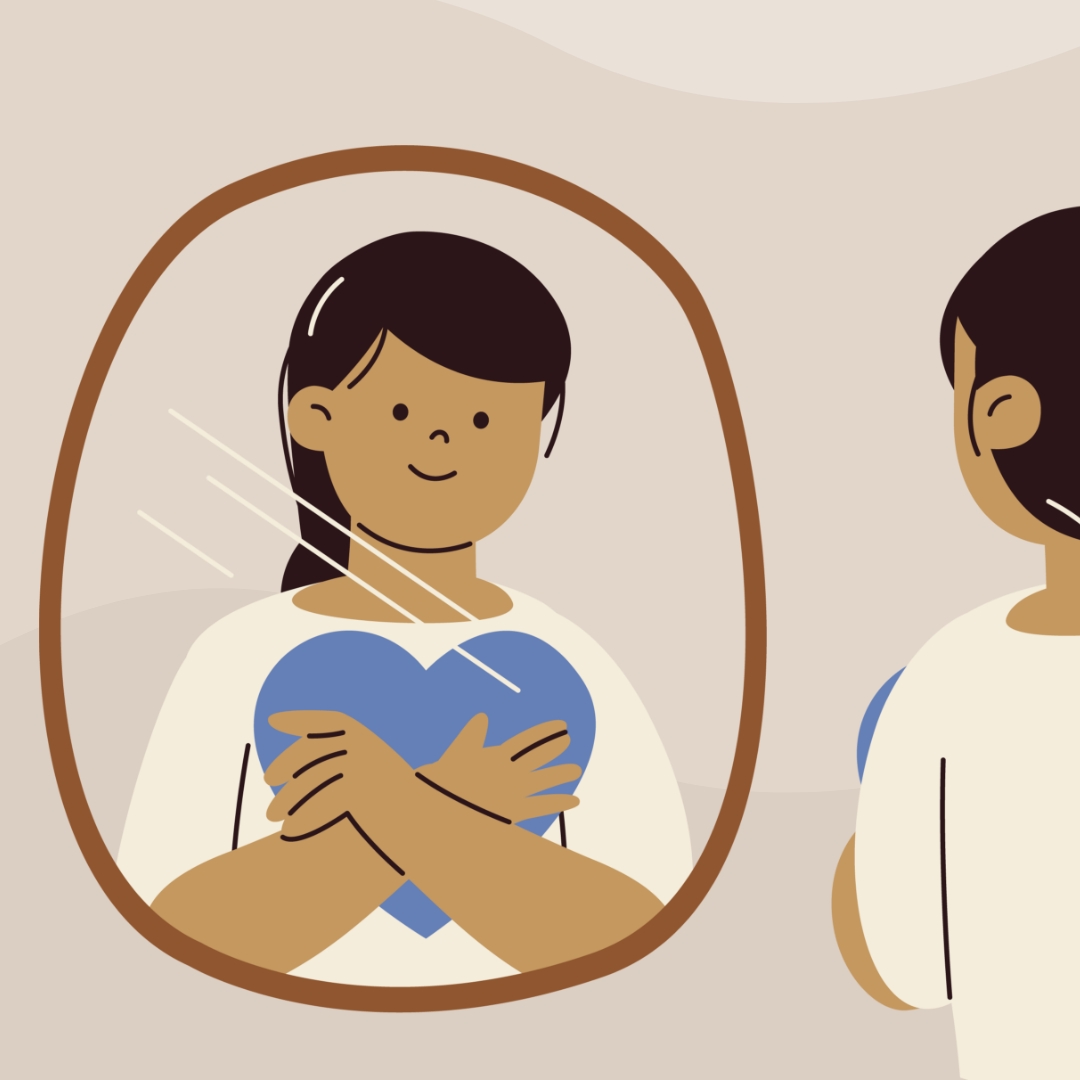
I've been noticing the ways I can be rude, in person and on my phone. This week I share two recent examples of my own, plus why correcting myself out loud strengthens self-awareness. The talk that follows isn't about your kid. It's about you going first.
READ MORE >
An Oakland library has started lending out sports equipment and games alongside books, so families can borrow gear to use at nearby parks. It is a reminder that borrowing and lending between families is a simple way to fill a summer afternoon without a screen, while quietly modelling generosity and humility. We are out of practice at asking, but the person on the other end is usually glad to help.
READ MORE >
E-readers are convenient, but there are three reasons to lean toward paper books this summer. First, e-readers are screens, and the pull of everything else you could do on one makes it harder to stay immersed. Second, a large meta-analysis found people understand and remember slightly better on paper, especially with longer texts. Third, easy access to endless book samples makes it too tempting to jump ship rather than work through the slower parts, since reading, unlike TikTok, is about delayed gratification.
READ MORE >for more like this, DR. DELANEY RUSTON'S NEW BOOK, PARENTING IN THE SCREEN AGE, IS THE DEFINITIVE GUIDE FOR TODAY’S PARENTS. WITH INSIGHTS ON SCREEN TIME FROM RESEARCHERS, INPUT FROM KIDS & TEENS, THIS BOOK IS PACKED WITH SOLUTIONS FOR HOW TO START AND SUSTAIN PRODUCTIVE FAMILY TALKS ABOUT TECHNOLOGY AND IT’S IMPACT ON OUR MENTAL WELLBEING.