


Do you have a long car ride ahead for Thanksgiving or just looking for activities to do with your kids off screens? How about a podcast? I love podcasts and listen to them with my kids often because, as I’ve written about before, we have a rule in our family about not using cellphones in the car. Every time we hear a new one we learn something, and it sparks conversation and debate. Furthermore, as Stephanie Hayes writes in the Atlantic:
“The absence of images in podcasts seems to be a source of their creative potential. Without visuals, listeners are required to fill the gaps—and when these listeners are children, the results can be powerful. Numerous studies have found that children between the ages of seven and 13 respond more creatively to radio stories than to stories shown on television. Audio stories prompt kids to draw more novel pictures, think up more unique questions, and solve problems in a more imaginative way than TV tales.”
Freakonomics
How Can I Do the Most Social Good With $100?
Thinking Is Expensive. Who’s Supposed to Pay for It?
Ted Radio
Sam Kass: Can Free Breakfast Improve Learning?
Wendy Troxel: Does High School Start Too Early?
Planet Money
Episode 804: Your Cell Phone's A Snitch
Episode 369: If Teens Ran the Fed
Some other great ones are This American Life, Radiolab, and StoryCorps. A couple that I’ve heard are good for younger kids are Tumble and Brains On.


Learn more about showing our movies in your school or community!
Join Screenagers filmmaker Delaney Ruston MD for our latest Podcast

Learn more about our Screen-Free Sleep campaign at the website!
Our movie made for parents and educators of younger kids
Learn more about showing our movies in your school or community!
Register your interest in bringing our new movie to your school or community
Learn more about showing our movies in your school or community!
Join Screenagers filmmaker Delaney Ruston MD for our latest Podcast
Learn more about our Screen-Free Sleep campaign at the website!
Our movie made for parents and educators of younger kids
Join Screenagers filmmaker Delaney Ruston MD for our latest Podcast
Register your interest in bringing our new movie to your school or community

As we’re about to celebrate 10 years of Screenagers, we want to hear what’s been most helpful and what you’d like to see next.
Please click here to share your thoughts with us in our community survey. It only takes 5–10 minutes, and everyone who completes it will be entered to win one of five $50 Amazon vouchers.
Do you have a long car ride ahead for Thanksgiving or just looking for activities to do with your kids off screens? How about a podcast? I love podcasts and listen to them with my kids often because, as I’ve written about before, we have a rule in our family about not using cellphones in the car. Every time we hear a new one we learn something, and it sparks conversation and debate. Furthermore, as Stephanie Hayes writes in the Atlantic:
“The absence of images in podcasts seems to be a source of their creative potential. Without visuals, listeners are required to fill the gaps—and when these listeners are children, the results can be powerful. Numerous studies have found that children between the ages of seven and 13 respond more creatively to radio stories than to stories shown on television. Audio stories prompt kids to draw more novel pictures, think up more unique questions, and solve problems in a more imaginative way than TV tales.”
Freakonomics
How Can I Do the Most Social Good With $100?
Thinking Is Expensive. Who’s Supposed to Pay for It?
Ted Radio
Sam Kass: Can Free Breakfast Improve Learning?
Wendy Troxel: Does High School Start Too Early?
Planet Money
Episode 804: Your Cell Phone's A Snitch
Episode 369: If Teens Ran the Fed
Some other great ones are This American Life, Radiolab, and StoryCorps. A couple that I’ve heard are good for younger kids are Tumble and Brains On.
Sign up here to receive the weekly Tech Talk Tuesdays newsletter from Screenagers filmmaker Delaney Ruston MD.
We respect your privacy.
Do you have a long car ride ahead for Thanksgiving or just looking for activities to do with your kids off screens? How about a podcast? I love podcasts and listen to them with my kids often because, as I’ve written about before, we have a rule in our family about not using cellphones in the car. Every time we hear a new one we learn something, and it sparks conversation and debate. Furthermore, as Stephanie Hayes writes in the Atlantic:
“The absence of images in podcasts seems to be a source of their creative potential. Without visuals, listeners are required to fill the gaps—and when these listeners are children, the results can be powerful. Numerous studies have found that children between the ages of seven and 13 respond more creatively to radio stories than to stories shown on television. Audio stories prompt kids to draw more novel pictures, think up more unique questions, and solve problems in a more imaginative way than TV tales.”
Freakonomics
How Can I Do the Most Social Good With $100?
Thinking Is Expensive. Who’s Supposed to Pay for It?
Ted Radio
Sam Kass: Can Free Breakfast Improve Learning?
Wendy Troxel: Does High School Start Too Early?
Planet Money
Episode 804: Your Cell Phone's A Snitch
Episode 369: If Teens Ran the Fed
Some other great ones are This American Life, Radiolab, and StoryCorps. A couple that I’ve heard are good for younger kids are Tumble and Brains On.
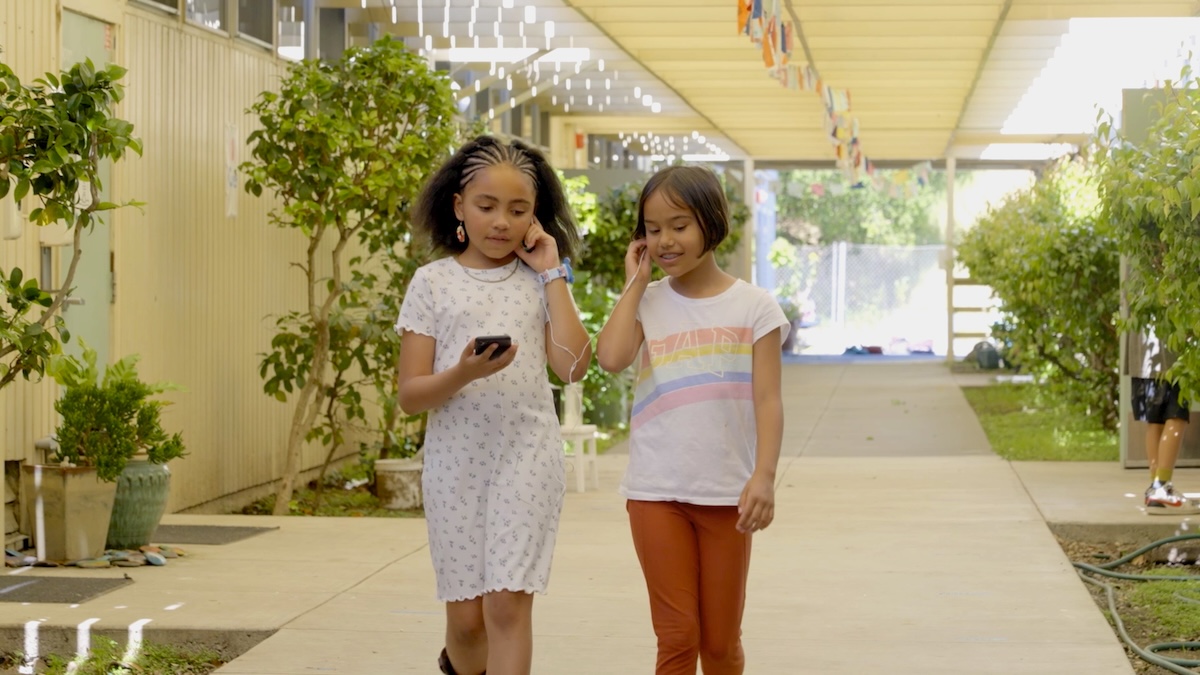
With World Cup noise and summer earbuds in full swing, I want to talk about hearing loss in kids. Research shows many of us listen longer and louder than the WHO considers safe, and damaged inner-ear hair cells never grow back. My advice: keep volume around 60 decibels, take listening breaks, use noise-canceling or over-ear headphones, test your hearing.
READ MORE >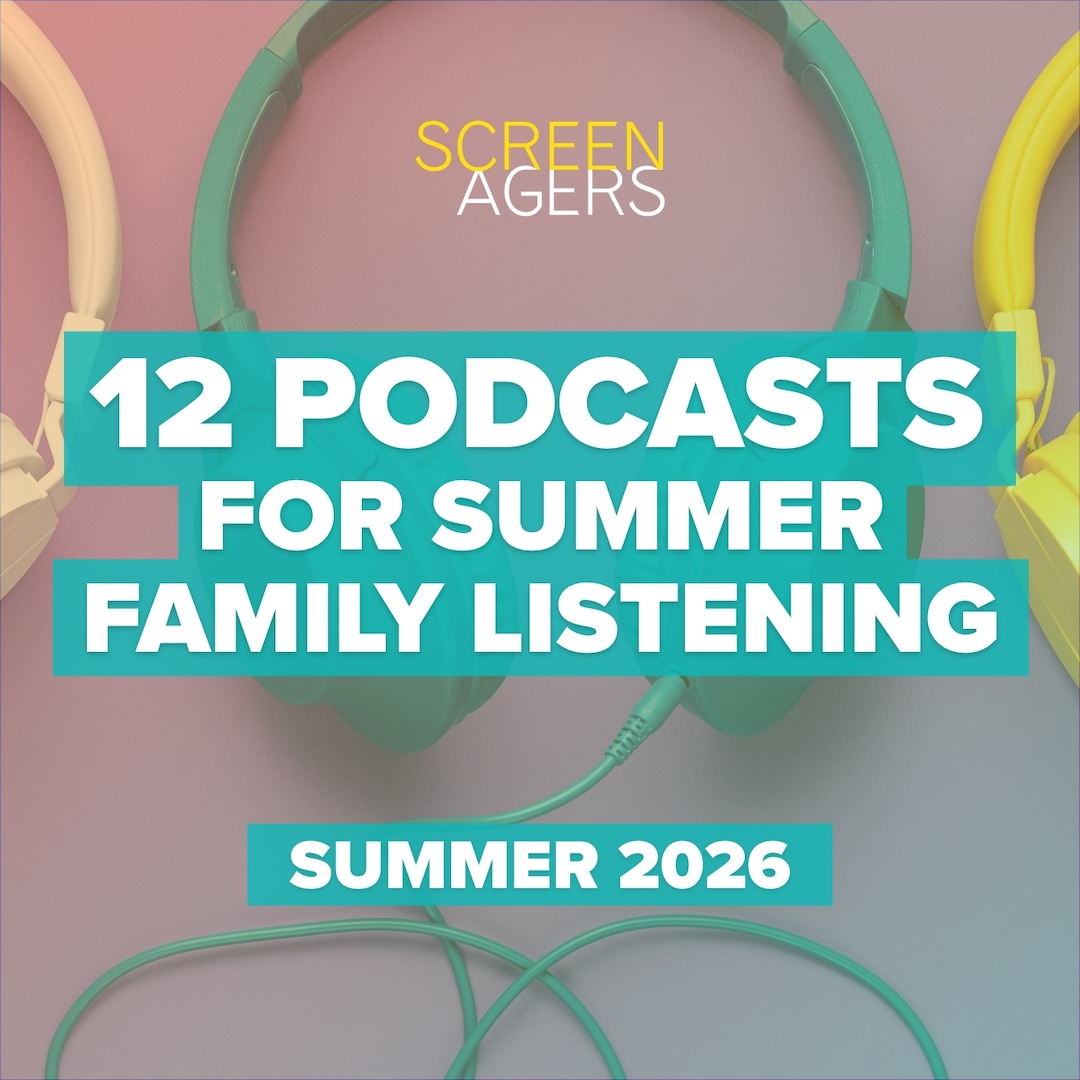
Delaney's annual summer podcast roundup is here, a hand-picked list of great episodes for the whole family. This year she's got recommendations spanning music, history, science, and ethics, plus a few surprise picks from a 3rd-grader she met at a lemonade stand. Each comes with a note on why it's worth a listen.
READ MORE >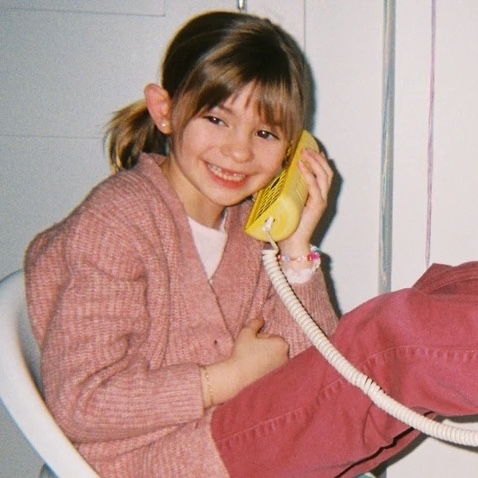
Some families are exploring a new, Wi-Fi-enabled landline phone that allows kids to communicate without screens. This blog explains how the phone works, why parents value its simplicity and built-in controls, and how groups of families are adopting it together to reduce pressure around smartphones. A parent conversation highlights shared buy-in, voice-only communication, and giving kids more independence while delaying personal devices.
READ MORE >for more like this, DR. DELANEY RUSTON'S NEW BOOK, PARENTING IN THE SCREEN AGE, IS THE DEFINITIVE GUIDE FOR TODAY’S PARENTS. WITH INSIGHTS ON SCREEN TIME FROM RESEARCHERS, INPUT FROM KIDS & TEENS, THIS BOOK IS PACKED WITH SOLUTIONS FOR HOW TO START AND SUSTAIN PRODUCTIVE FAMILY TALKS ABOUT TECHNOLOGY AND IT’S IMPACT ON OUR MENTAL WELLBEING.