

In the news, podcasts, social media, and shows, there is a lot of talk about magic mushrooms, aka “shrooms,” and their potential benefits through their psychoactive component called psilocybin. For example, people talk about how consuming mushrooms can create life-changing experiences in full or microdoses. In addition, there is a lot of buzz about the important research being done to uncover potential medical applications.
However, what concerns me is that all these media outlets often fail to address the risks of psychedelics and ways to prevent such risks. I’ve written this blog to offer an effective way to talk to teens about these risks, knowing that such conversations can be tricky.
As parents, when we try to discuss drugs, including psychedelics, youth often dismiss us, thinking we’re being overly dramatic, uninformed, or anxious and old-fashioned. Teens tell me that adults can sound just like the memes out there that make fun of the idea of drugs “destroying brains.”
Given the many positive media messages about “shrooms” these days, youth can be especially prone to roll their eyes with discussions about risks.
To tackle this dilemma, I suggest a way to talk about psilocybin in mushrooms with kids about age 12 and up without sounding like any of the stereotypes I just mentioned.
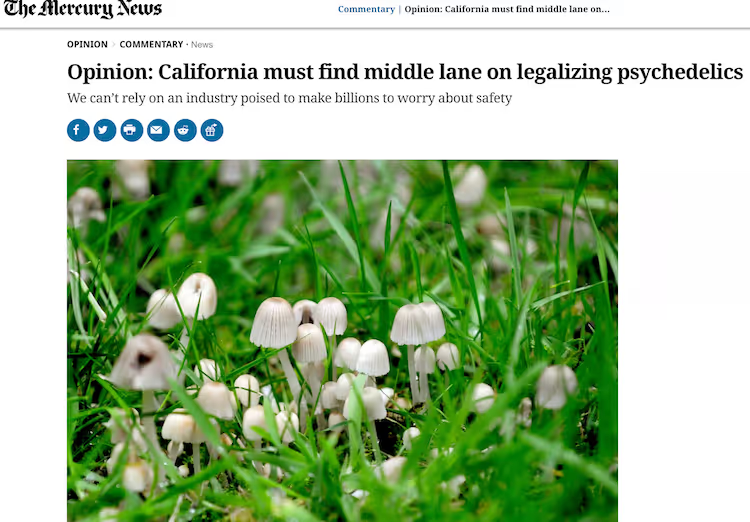
The strategy is to read with them this important recent Op-Ed published in the Mercury News by Kristin Nash, the Co-Founder of the William G. Nash Foundation. The Op-Ed addresses the proposed law currently moving through the California legislature regarding legalizing psychedelic mushrooms.
Michael Pollan, the best-selling author of several books, including “This is Your Mind on Plants,” retweeted Kristin’s Op-Ed, stating, “An important point of view we don’t hear often enough.” I could not agree more with Pollan.
Nash had the unimaginable happen in her family. She has made it her life’s mission to help raise awareness about risks and create solutions. An example of something she has helped support is a reality-based drug education program that she eloquently speaks about in my latest film, “Screenagers Under The Influence.”
Gather your family and read the following Op-Ed together. I am confident this will spark a beneficial conversation.
The Mercury News
By KRISTIN NASH
Opinion: California must find middle lane on legalizing psychedelics
We can’t rely on an industry poised to make billions to worry about safety
PUBLISHED: July 6, 2023
A bill to decriminalize five psychedelics is progressing through the California Legislature. The substances are considered a lifeline by some. But what about the risks?
A Bay Area 21-year-old died recently after taking psilocybin. It was purchased in Oakland where psychedelics are decriminalized. No instructions given. They had an adverse reaction and fell to their death. A Marin County mom lost her 16-year-old when he took psilocybin after reading he could talk to God. Shayne became ecstatic then “flew” off their deck.


Learn more about showing our movies in your school or community!
Join Screenagers filmmaker Delaney Ruston MD for our latest Podcast

Learn more about our Screen-Free Sleep campaign at the website!
Our movie made for parents and educators of younger kids
Learn more about showing our movies in your school or community!
Register your interest in bringing our new movie to your school or community
I lost my own 21-year-old son Will in an accident caused by psychedelic-induced hallucinations. Two months from college graduation, Will had just started a growing business with a friend. He was in his home with close friends — like many, they perceived psychedelics as fun and “safe enough.” He took two-grams of mushrooms. Things were casual, relaxed. Until they weren’t. Will had a severe adverse reaction. He felt sick, tried to throw up and went into a psychosis. His friends called for help. Yet, with campus responders on the scene untrained in handling a psychedelic crisis, our beautiful son, detached from reality, mistook one ordinary object for another, and suddenly was gone.
Despite these tragedies, I don’t believe in drug-war policies or zero-tolerance approaches. Programs such as D.A.R.E. have had meager impact, and they have left generations without real drug education. But I do worry that we are fast-tracking into psychedelic liberalization without understanding the dangers and developing guardrails.
A new study finds that the use of certain psychedelics among young adults has nearly doubled in three years. While we don’t track prevalence of psychedelic-related harm, we know that, in California, ER visits related to psychedelic use increased by 84% since 2016.
Worst-case scenarios, along with other potential harms, have been obscured by talking points, such as “can’t overdose” and “nonaddictive.” But that’s not the whole story, and it’s misleading. Psychedelics can produce hallucinations and delusions. Emotional responses can range from euphoria to paranoia, terror and fight-or-flight panic, which can result in psychological trauma, erratic behavior, accidental injuries, even violence or death.
Most often, we are speaking about psychedelics as medicine for mental health. Research on psilocybin-assisted therapy for anxiety, depression and alcohol use disorder is encouraging but early-stage. We need large clinical trials to determine safety and efficacy. And clinical improvement is not based solely on the drug — a trained professional prepares, facilitates and processes the experience with a client; the practitioner is integral to the outcome.
Though let’s be honest, whether legal or not, psychedelic use is happening. Whatever we decide as a society, we need reality-based education and proven safeguards. Like psychedelics themselves, decriminalization can both help and harm. Depending on how it’s done, decriminalization has the potential to make use safer, such as reducing barriers to help-seeking. But in this moment of immense cultural enthusiasm for psychedelics, decriminalization also, predictably, will drive increased use, and adverse events along with it. With history as a guide, most of that use will be by young adults and other vulnerable people.
Learn more about showing our movies in your school or community!
Join Screenagers filmmaker Delaney Ruston MD for our latest Podcast
Learn more about our Screen-Free Sleep campaign at the website!
Our movie made for parents and educators of younger kids
Join Screenagers filmmaker Delaney Ruston MD for our latest Podcast
Register your interest in bringing our new movie to your school or community
None of these kids I’ve mentioned understood the risks. Will perceived mushrooms as among the “least harmful drugs.” The young person in Oakland thought they could safely heal emotional distress. Shayne thought a “God’s dose” would deliver transcendence.
When we downplay possible adverse outcomes, we fail in our imperative to reduce harm and our ethical duty of informed consent.
Psychedelic legislation needs common-sense safeguards — a framework for setting and support, harm-reduction education, public-health tracking and first-responder training — not “later” but baked into any drug-reform policy. I don’t believe we can we rely on an industry poised to make billions to worry about safety. Public policy is the mechanism to ensure protections are in place.
As we’re about to celebrate 10 years of Screenagers, we want to hear what’s been most helpful and what you’d like to see next.
Please click here to share your thoughts with us in our community survey. It only takes 5–10 minutes, and everyone who completes it will be entered to win one of five $50 Amazon vouchers.
In the news, podcasts, social media, and shows, there is a lot of talk about magic mushrooms, aka “shrooms,” and their potential benefits through their psychoactive component called psilocybin. For example, people talk about how consuming mushrooms can create life-changing experiences in full or microdoses. In addition, there is a lot of buzz about the important research being done to uncover potential medical applications.
However, what concerns me is that all these media outlets often fail to address the risks of psychedelics and ways to prevent such risks. I’ve written this blog to offer an effective way to talk to teens about these risks, knowing that such conversations can be tricky.
As parents, when we try to discuss drugs, including psychedelics, youth often dismiss us, thinking we’re being overly dramatic, uninformed, or anxious and old-fashioned. Teens tell me that adults can sound just like the memes out there that make fun of the idea of drugs “destroying brains.”
Given the many positive media messages about “shrooms” these days, youth can be especially prone to roll their eyes with discussions about risks.
To tackle this dilemma, I suggest a way to talk about psilocybin in mushrooms with kids about age 12 and up without sounding like any of the stereotypes I just mentioned.
The strategy is to read with them this important recent Op-Ed published in the Mercury News by Kristin Nash, the Co-Founder of the William G. Nash Foundation. The Op-Ed addresses the proposed law currently moving through the California legislature regarding legalizing psychedelic mushrooms.
Michael Pollan, the best-selling author of several books, including “This is Your Mind on Plants,” retweeted Kristin’s Op-Ed, stating, “An important point of view we don’t hear often enough.” I could not agree more with Pollan.
Nash had the unimaginable happen in her family. She has made it her life’s mission to help raise awareness about risks and create solutions. An example of something she has helped support is a reality-based drug education program that she eloquently speaks about in my latest film, “Screenagers Under The Influence.”
Gather your family and read the following Op-Ed together. I am confident this will spark a beneficial conversation.
The Mercury News
By KRISTIN NASH
Opinion: California must find middle lane on legalizing psychedelics
We can’t rely on an industry poised to make billions to worry about safety
PUBLISHED: July 6, 2023
A bill to decriminalize five psychedelics is progressing through the California Legislature. The substances are considered a lifeline by some. But what about the risks?
A Bay Area 21-year-old died recently after taking psilocybin. It was purchased in Oakland where psychedelics are decriminalized. No instructions given. They had an adverse reaction and fell to their death. A Marin County mom lost her 16-year-old when he took psilocybin after reading he could talk to God. Shayne became ecstatic then “flew” off their deck.
I lost my own 21-year-old son Will in an accident caused by psychedelic-induced hallucinations. Two months from college graduation, Will had just started a growing business with a friend. He was in his home with close friends — like many, they perceived psychedelics as fun and “safe enough.” He took two-grams of mushrooms. Things were casual, relaxed. Until they weren’t. Will had a severe adverse reaction. He felt sick, tried to throw up and went into a psychosis. His friends called for help. Yet, with campus responders on the scene untrained in handling a psychedelic crisis, our beautiful son, detached from reality, mistook one ordinary object for another, and suddenly was gone.
Despite these tragedies, I don’t believe in drug-war policies or zero-tolerance approaches. Programs such as D.A.R.E. have had meager impact, and they have left generations without real drug education. But I do worry that we are fast-tracking into psychedelic liberalization without understanding the dangers and developing guardrails.
A new study finds that the use of certain psychedelics among young adults has nearly doubled in three years. While we don’t track prevalence of psychedelic-related harm, we know that, in California, ER visits related to psychedelic use increased by 84% since 2016.
Worst-case scenarios, along with other potential harms, have been obscured by talking points, such as “can’t overdose” and “nonaddictive.” But that’s not the whole story, and it’s misleading. Psychedelics can produce hallucinations and delusions. Emotional responses can range from euphoria to paranoia, terror and fight-or-flight panic, which can result in psychological trauma, erratic behavior, accidental injuries, even violence or death.
Most often, we are speaking about psychedelics as medicine for mental health. Research on psilocybin-assisted therapy for anxiety, depression and alcohol use disorder is encouraging but early-stage. We need large clinical trials to determine safety and efficacy. And clinical improvement is not based solely on the drug — a trained professional prepares, facilitates and processes the experience with a client; the practitioner is integral to the outcome.
Though let’s be honest, whether legal or not, psychedelic use is happening. Whatever we decide as a society, we need reality-based education and proven safeguards. Like psychedelics themselves, decriminalization can both help and harm. Depending on how it’s done, decriminalization has the potential to make use safer, such as reducing barriers to help-seeking. But in this moment of immense cultural enthusiasm for psychedelics, decriminalization also, predictably, will drive increased use, and adverse events along with it. With history as a guide, most of that use will be by young adults and other vulnerable people.
None of these kids I’ve mentioned understood the risks. Will perceived mushrooms as among the “least harmful drugs.” The young person in Oakland thought they could safely heal emotional distress. Shayne thought a “God’s dose” would deliver transcendence.
When we downplay possible adverse outcomes, we fail in our imperative to reduce harm and our ethical duty of informed consent.
Psychedelic legislation needs common-sense safeguards — a framework for setting and support, harm-reduction education, public-health tracking and first-responder training — not “later” but baked into any drug-reform policy. I don’t believe we can we rely on an industry poised to make billions to worry about safety. Public policy is the mechanism to ensure protections are in place.
Sign up here to receive the weekly Tech Talk Tuesdays newsletter from Screenagers filmmaker Delaney Ruston MD.
We respect your privacy.
In the news, podcasts, social media, and shows, there is a lot of talk about magic mushrooms, aka “shrooms,” and their potential benefits through their psychoactive component called psilocybin. For example, people talk about how consuming mushrooms can create life-changing experiences in full or microdoses. In addition, there is a lot of buzz about the important research being done to uncover potential medical applications.
However, what concerns me is that all these media outlets often fail to address the risks of psychedelics and ways to prevent such risks. I’ve written this blog to offer an effective way to talk to teens about these risks, knowing that such conversations can be tricky.
As parents, when we try to discuss drugs, including psychedelics, youth often dismiss us, thinking we’re being overly dramatic, uninformed, or anxious and old-fashioned. Teens tell me that adults can sound just like the memes out there that make fun of the idea of drugs “destroying brains.”
Given the many positive media messages about “shrooms” these days, youth can be especially prone to roll their eyes with discussions about risks.
To tackle this dilemma, I suggest a way to talk about psilocybin in mushrooms with kids about age 12 and up without sounding like any of the stereotypes I just mentioned.
The strategy is to read with them this important recent Op-Ed published in the Mercury News by Kristin Nash, the Co-Founder of the William G. Nash Foundation. The Op-Ed addresses the proposed law currently moving through the California legislature regarding legalizing psychedelic mushrooms.
Michael Pollan, the best-selling author of several books, including “This is Your Mind on Plants,” retweeted Kristin’s Op-Ed, stating, “An important point of view we don’t hear often enough.” I could not agree more with Pollan.
Nash had the unimaginable happen in her family. She has made it her life’s mission to help raise awareness about risks and create solutions. An example of something she has helped support is a reality-based drug education program that she eloquently speaks about in my latest film, “Screenagers Under The Influence.”
Gather your family and read the following Op-Ed together. I am confident this will spark a beneficial conversation.
The Mercury News
By KRISTIN NASH
Opinion: California must find middle lane on legalizing psychedelics
We can’t rely on an industry poised to make billions to worry about safety
PUBLISHED: July 6, 2023
A bill to decriminalize five psychedelics is progressing through the California Legislature. The substances are considered a lifeline by some. But what about the risks?
A Bay Area 21-year-old died recently after taking psilocybin. It was purchased in Oakland where psychedelics are decriminalized. No instructions given. They had an adverse reaction and fell to their death. A Marin County mom lost her 16-year-old when he took psilocybin after reading he could talk to God. Shayne became ecstatic then “flew” off their deck.

The Cornell case has raised urgent questions for parents about drugs, alcohol, and consent. This post includes 6 key points to bring up with tweens/teens whether you talk about this case or about drugs and consent more broadly, including a powerful question to help them think about what true consent means.
READ MORE >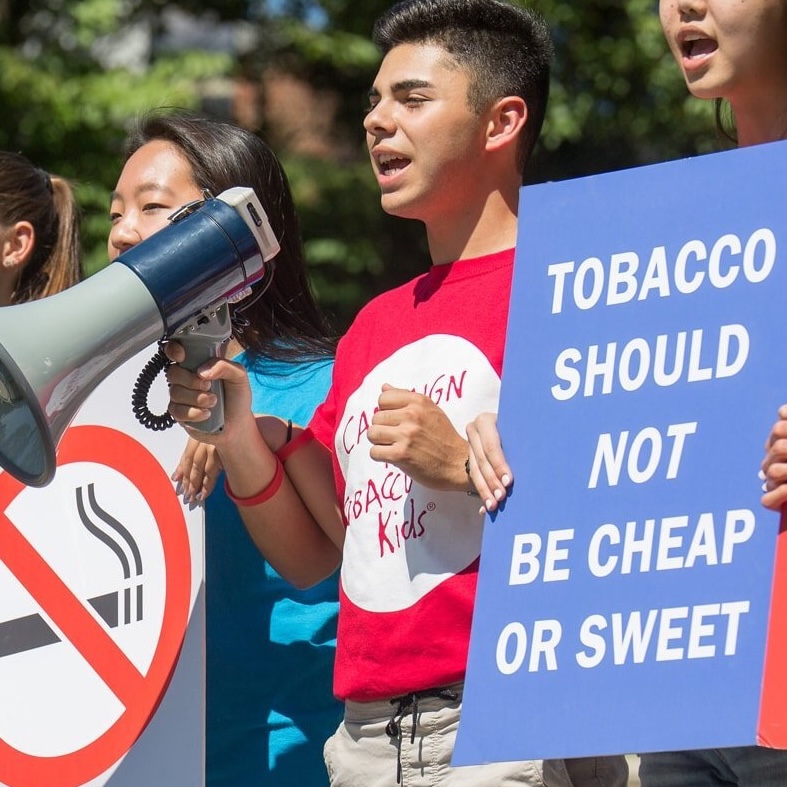
Teens are getting involved in civic action to fight Big Tobacco, which helps reduce screen time while making a real impact. From recent teen-led policy wins and youth advocacy at CADCA to ongoing legal cases questioning how social media platforms hook young users, the post highlights why this moment matters and shares national organizations where teens can get involved.
READ MORE >for more like this, DR. DELANEY RUSTON'S NEW BOOK, PARENTING IN THE SCREEN AGE, IS THE DEFINITIVE GUIDE FOR TODAY’S PARENTS. WITH INSIGHTS ON SCREEN TIME FROM RESEARCHERS, INPUT FROM KIDS & TEENS, THIS BOOK IS PACKED WITH SOLUTIONS FOR HOW TO START AND SUSTAIN PRODUCTIVE FAMILY TALKS ABOUT TECHNOLOGY AND IT’S IMPACT ON OUR MENTAL WELLBEING.