

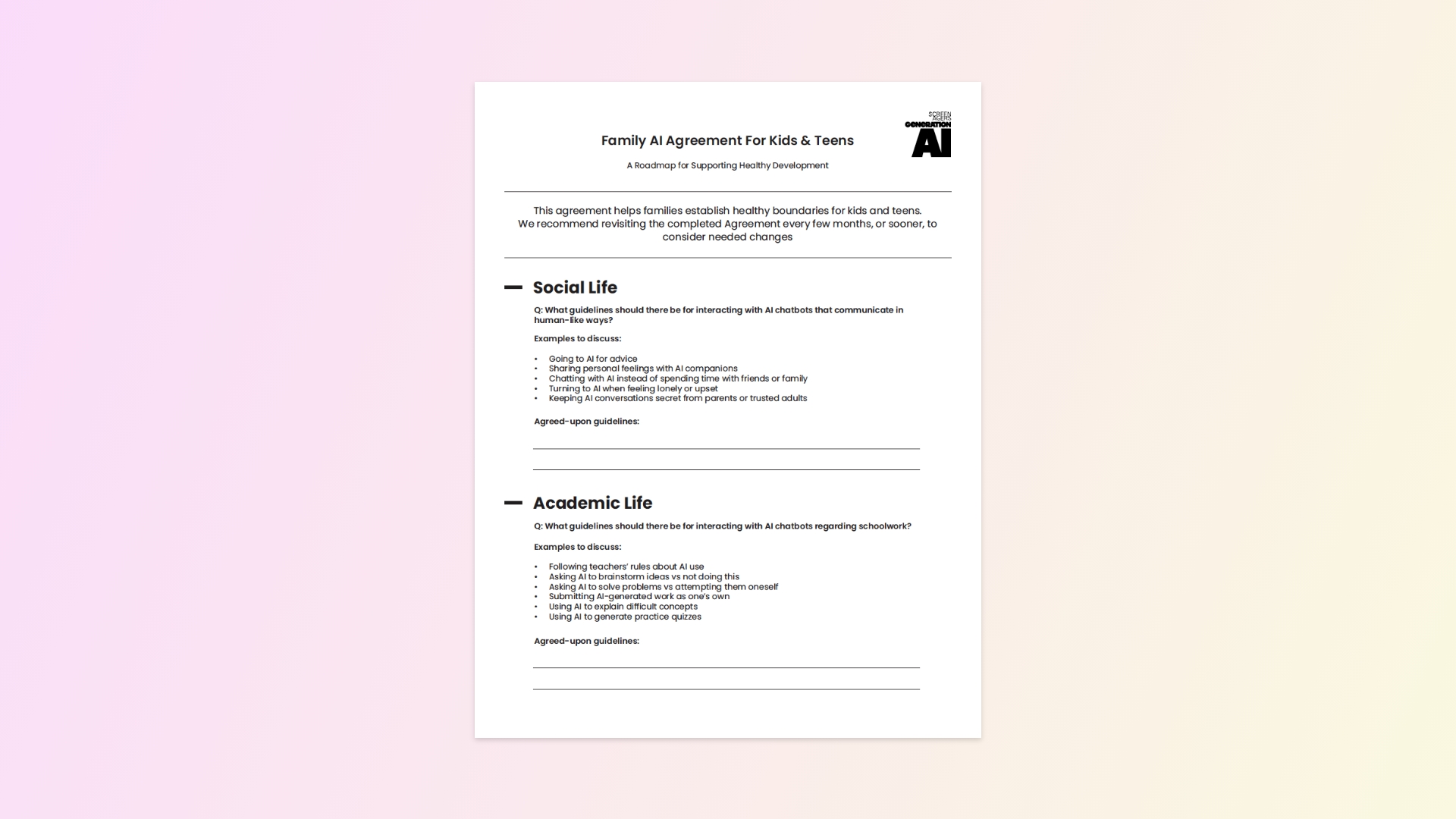


Nearly half of kids have never talked with their parents about AI safety. Our Family AI Agreement is a template to fill out together, covering social life, schoolwork, mental wellness, sleep, fakes, and privacy. The goal isn’t perfect rule-following but ongoing conversations about our WHYs.
A new Common Sense Media census found that nearly half of kids ages 9 to 17 have never had a conversation with their parents about AI safety.
This aligns exactly with what Lisa, my co-director, and I found while interviewing teens and parents for our new film: many families aren't having conversations about guardrails for AI use.
And I totally get why. It is hard to figure out how to establish rules and policies at home when AI is on so many devices. For this reason, I have been thinking a lot about how to help families create home policies. I am excited to share with you today the Family AI Agreement that has been thoughtfully crafted.
It's all about providing a framework for discussing the hot-button issues surrounding AI chatbots and tools, and deciding what is and isn't appropriate use. This includes interacting with chatbots as friends, using AI for schoolwork, privacy, deepfakes, sleep, and turning to AI for emotional support and advice.


Learn more about showing our movies in your school or community!
Join Screenagers filmmaker Delaney Ruston MD for our latest Podcast

Learn more about our Screen-Free Sleep campaign at the website!
Our movie made for parents and educators of younger kids
Learn more about showing our movies in your school or community!
Register your interest in bringing our new movie to your school or community
It is super important that we listen to kids and teens about their feelings on all these topics, while also sharing our concerns and explaining the WHYs behind what we feel is and is not okay.
And these need to be ongoing conversations. Guidelines we establish may not always be followed. In fact, they most likely won't be followed all the time. But the point is to communicate what we want for our kids and why. If we don't, we miss a key part of our role as parents. Research has long shown that parent-child conversations about safety issues, such as substance use, are associated with less risky behavior.
[DOWNLOAD HERE]
The Agreement covers six areas: social life, academic life, mental wellness, sleep, fakes, and privacy. Each one has a question to consider, examples to discuss together, and space to write down the guidelines you agree on.
It ends with what we call a Safety-First Commitment. This is a promise from parents to be someone their child or teen can turn to when something goes wrong online, and to approach it as a team rather than reflexively taking away tech.
We recommend revisiting the completed Agreement every few months, or sooner, to consider needed changes.
I would love to hear from any of you who fill out the Agreement with your child or teen. We hope to do a follow-up blog soon about parents' experiences using it. So please email me at delaney@screenagersmovie.com.
Learn more about showing our movies in your school or community!
Join Screenagers filmmaker Delaney Ruston MD for our latest Podcast
Learn more about our Screen-Free Sleep campaign at the website!
Our movie made for parents and educators of younger kids
Join Screenagers filmmaker Delaney Ruston MD for our latest Podcast
Register your interest in bringing our new movie to your school or community
Subscribe to our YouTube Channel! We add new videos regularly and you'll find over 100 videos covering parenting advice, guidance, podcasts, movie clips and more. Here's our most recent:

As we’re about to celebrate 10 years of Screenagers, we want to hear what’s been most helpful and what you’d like to see next.
Please click here to share your thoughts with us in our community survey. It only takes 5–10 minutes, and everyone who completes it will be entered to win one of five $50 Amazon vouchers.
A new Common Sense Media census found that nearly half of kids ages 9 to 17 have never had a conversation with their parents about AI safety.
This aligns exactly with what Lisa, my co-director, and I found while interviewing teens and parents for our new film: many families aren't having conversations about guardrails for AI use.
And I totally get why. It is hard to figure out how to establish rules and policies at home when AI is on so many devices. For this reason, I have been thinking a lot about how to help families create home policies. I am excited to share with you today the Family AI Agreement that has been thoughtfully crafted.
It's all about providing a framework for discussing the hot-button issues surrounding AI chatbots and tools, and deciding what is and isn't appropriate use. This includes interacting with chatbots as friends, using AI for schoolwork, privacy, deepfakes, sleep, and turning to AI for emotional support and advice.
It is super important that we listen to kids and teens about their feelings on all these topics, while also sharing our concerns and explaining the WHYs behind what we feel is and is not okay.
And these need to be ongoing conversations. Guidelines we establish may not always be followed. In fact, they most likely won't be followed all the time. But the point is to communicate what we want for our kids and why. If we don't, we miss a key part of our role as parents. Research has long shown that parent-child conversations about safety issues, such as substance use, are associated with less risky behavior.
[DOWNLOAD HERE]
The Agreement covers six areas: social life, academic life, mental wellness, sleep, fakes, and privacy. Each one has a question to consider, examples to discuss together, and space to write down the guidelines you agree on.
It ends with what we call a Safety-First Commitment. This is a promise from parents to be someone their child or teen can turn to when something goes wrong online, and to approach it as a team rather than reflexively taking away tech.
We recommend revisiting the completed Agreement every few months, or sooner, to consider needed changes.
I would love to hear from any of you who fill out the Agreement with your child or teen. We hope to do a follow-up blog soon about parents' experiences using it. So please email me at delaney@screenagersmovie.com.
Subscribe to our YouTube Channel! We add new videos regularly and you'll find over 100 videos covering parenting advice, guidance, podcasts, movie clips and more. Here's our most recent:
Sign up here to receive the weekly Tech Talk Tuesdays newsletter from Screenagers filmmaker Delaney Ruston MD.
We respect your privacy.
A new Common Sense Media census found that nearly half of kids ages 9 to 17 have never had a conversation with their parents about AI safety.
This aligns exactly with what Lisa, my co-director, and I found while interviewing teens and parents for our new film: many families aren't having conversations about guardrails for AI use.
And I totally get why. It is hard to figure out how to establish rules and policies at home when AI is on so many devices. For this reason, I have been thinking a lot about how to help families create home policies. I am excited to share with you today the Family AI Agreement that has been thoughtfully crafted.
It's all about providing a framework for discussing the hot-button issues surrounding AI chatbots and tools, and deciding what is and isn't appropriate use. This includes interacting with chatbots as friends, using AI for schoolwork, privacy, deepfakes, sleep, and turning to AI for emotional support and advice.
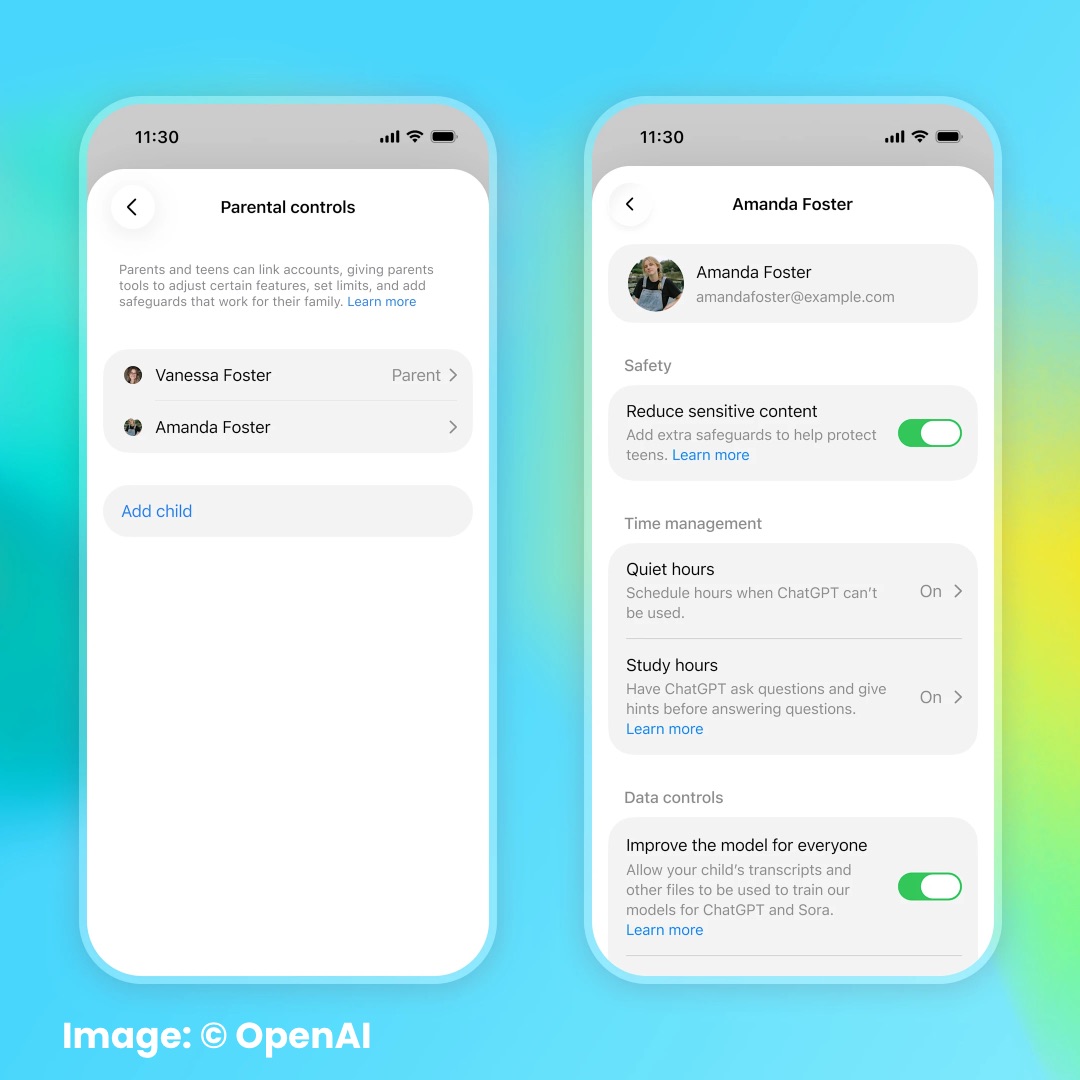
Common Sense Media’s Youth AI Safety Institute tested OpenAI’s new ChatGPT for Teens and rated it an “Unacceptable Risk” for all kids under 18. Parent alerts failed to fire even when teens discussed suicide, self-harm, or disordered eating, crisis support fell short, and it still does kids’ homework. The findings show why we need regulations requiring independent safety testing before these products reach teens.
READ MORE >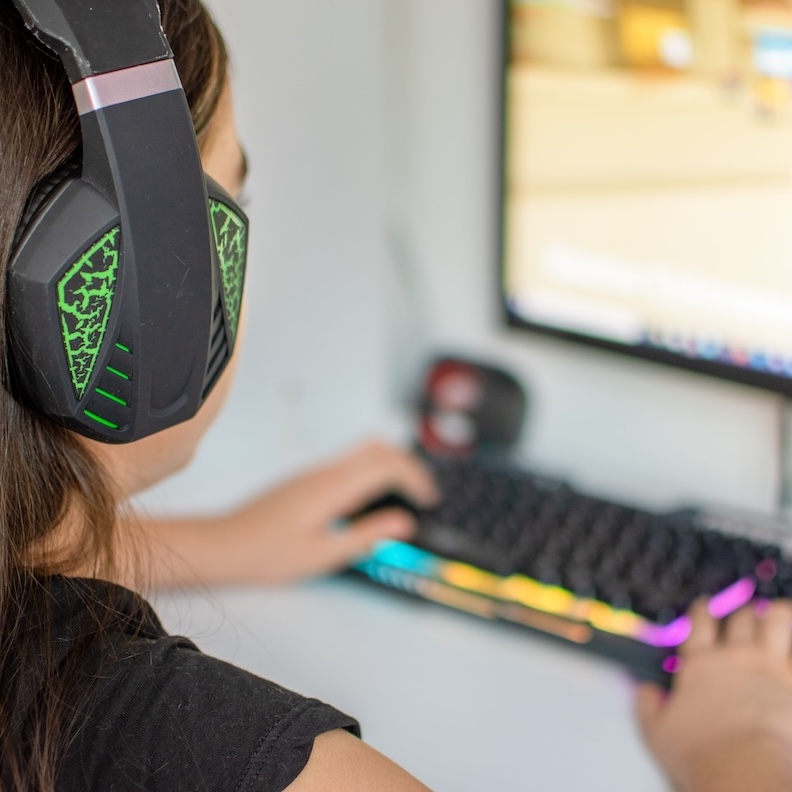
AI-powered game characters that kids can actually talk with are starting to appear. It's an emerging trend with real concerns, from privacy to kids turning to AI for support. I share where it's showing up and three questions to ask kids who game.
READ MORE >
AI can do remarkable things, but the risks to young people are here now, from deepfakes and sextortion to AI companions linked to teen suicides. In Screenagers: Generation AI, we look at why AI literacy belongs in schools, meaning critical thinking about how AI works and who designed it, not just how to use it. I share what a few states are starting to mandate, and why this can't sit with parents alone.
READ MORE >for more like this, DR. DELANEY RUSTON'S NEW BOOK, PARENTING IN THE SCREEN AGE, IS THE DEFINITIVE GUIDE FOR TODAY’S PARENTS. WITH INSIGHTS ON SCREEN TIME FROM RESEARCHERS, INPUT FROM KIDS & TEENS, THIS BOOK IS PACKED WITH SOLUTIONS FOR HOW TO START AND SUSTAIN PRODUCTIVE FAMILY TALKS ABOUT TECHNOLOGY AND IT’S IMPACT ON OUR MENTAL WELLBEING.