


Now on to today's Tech Talk Tuesday blog.
We all know that computer time will be ever-present at home and at most schools And it will continue to pull at our kids’ attention.
The start of this academic year gives us an opportunity to get clarity on our key reasons for wanting to work with our kids to ensure that they have time off screens.
What would your three top reasons be? Today, I share mine. But before I do, I offer you this 60-second activity (something you could do at dinner with your family or in class with your students):
Take a piece of paper and write down all the words that begin with the letter “C,” representing things you want for your child. Here are some examples: compassion, connection, competency, courage, challenge, commitment, curiosity, closeness, credibility, cleverness, cleanliness, camaraderie, caring, and cooperation.
Now put on a timer and see which three you pick as the top candidates — things you want to make sure your child has time to do off screens this academic year. (And yes, these things can and do happen via devices, but today we are thinking about why having time off screens is key.).
My top picks are 1. Creativity 2. Connection 3. Challenge. In my book, Parenting In The Screen Age, I address these themes in greater depth.
Creativity allows our kids to be uniquely themselves. They are making something and putting it out in the world; no one else can do that. So much screen time is consuming other people’s things, but we want our kids to have windows when their brilliant minds get to produce.
My definition of creativity is not limited to the usual definition. Our kids’ creativity is expressed in a variety of ways. When they have a conversation with someone and express their unique thoughts, creativity is in action. When they walk to school without scrolling through social media, their minds get time to create ideas and make creative connections.


Learn more about showing our movies in your school or community!
Join Screenagers filmmaker Delaney Ruston MD for our latest Podcast

Learn more about our Screen-Free Sleep campaign at the website!
Our movie made for parents and educators of younger kids
Learn more about showing our movies in your school or community!
Register your interest in bringing our new movie to your school or community
Of course, creativity includes all sorts of traditional things like doing theater, making music, and drawing.
Is playing Minecraft considered creative time? Yes and No. Yes, you get to build and create, and you get to be creatively strategic in playing. So yes, I validate that. AND no, because one is still playing (consuming) THEIR game constrained within the building blocks of their programmed interface. So playing it will not suffice for having some creative time in one’s week.
This can be both to oneself and others. When I interviewed Sherry Turkle for Screenagers, she talked about the importance of youth being able to self-soothe on their own, and I could not agree more. For example, can they be in their room at bedtime and feel comfortable connecting with their thoughts about the day without needing to be connected to an external voice like watching a show?
We all know that our kids need positive connections with others as much as they need calcium and protein. I like to talk with my kids when the school year begins about teachers with whom they may like to stay after class to talk a bit or go to their office hours.
By the way, I unambiguously include the topics of caring and compassion as a part of this connection category. You can call me a cheater, but is it really cheating? It’s true, isn’t it?
Learn more about showing our movies in your school or community!
Join Screenagers filmmaker Delaney Ruston MD for our latest Podcast
Learn more about our Screen-Free Sleep campaign at the website!
Our movie made for parents and educators of younger kids
Join Screenagers filmmaker Delaney Ruston MD for our latest Podcast
Register your interest in bringing our new movie to your school or community
Our children’s brains were designed for a challenge, plain and simple. If we did not as a species have this desire to make things better, i.e., feel compelled and challenged to push beyond what is, think how completely different our society would look.
This is why if a person spends all their time streaming (consuming) shows daily, they start to feel grumpy, often mad at themselves, and so on — people are not designed to consume all day. Thus, the brain will give all sorts of signals that something is amiss.
Challenge is how our kids build a sense of self-efficacy. This can come from having them choose a new board game to learn and teach the family. Perhaps the first week of the month, they make a simple dinner for the family (boxed mac and cheese does not count). Make it a bit challenging — like making potstickers.

As we’re about to celebrate 10 years of Screenagers, we want to hear what’s been most helpful and what you’d like to see next.
Please click here to share your thoughts with us in our community survey. It only takes 5–10 minutes, and everyone who completes it will be entered to win one of five $50 Amazon vouchers.
Now on to today's Tech Talk Tuesday blog.
We all know that computer time will be ever-present at home and at most schools And it will continue to pull at our kids’ attention.
The start of this academic year gives us an opportunity to get clarity on our key reasons for wanting to work with our kids to ensure that they have time off screens.
What would your three top reasons be? Today, I share mine. But before I do, I offer you this 60-second activity (something you could do at dinner with your family or in class with your students):
Take a piece of paper and write down all the words that begin with the letter “C,” representing things you want for your child. Here are some examples: compassion, connection, competency, courage, challenge, commitment, curiosity, closeness, credibility, cleverness, cleanliness, camaraderie, caring, and cooperation.
Now put on a timer and see which three you pick as the top candidates — things you want to make sure your child has time to do off screens this academic year. (And yes, these things can and do happen via devices, but today we are thinking about why having time off screens is key.).
My top picks are 1. Creativity 2. Connection 3. Challenge. In my book, Parenting In The Screen Age, I address these themes in greater depth.
Creativity allows our kids to be uniquely themselves. They are making something and putting it out in the world; no one else can do that. So much screen time is consuming other people’s things, but we want our kids to have windows when their brilliant minds get to produce.
My definition of creativity is not limited to the usual definition. Our kids’ creativity is expressed in a variety of ways. When they have a conversation with someone and express their unique thoughts, creativity is in action. When they walk to school without scrolling through social media, their minds get time to create ideas and make creative connections.
Of course, creativity includes all sorts of traditional things like doing theater, making music, and drawing.
Is playing Minecraft considered creative time? Yes and No. Yes, you get to build and create, and you get to be creatively strategic in playing. So yes, I validate that. AND no, because one is still playing (consuming) THEIR game constrained within the building blocks of their programmed interface. So playing it will not suffice for having some creative time in one’s week.
This can be both to oneself and others. When I interviewed Sherry Turkle for Screenagers, she talked about the importance of youth being able to self-soothe on their own, and I could not agree more. For example, can they be in their room at bedtime and feel comfortable connecting with their thoughts about the day without needing to be connected to an external voice like watching a show?
We all know that our kids need positive connections with others as much as they need calcium and protein. I like to talk with my kids when the school year begins about teachers with whom they may like to stay after class to talk a bit or go to their office hours.
By the way, I unambiguously include the topics of caring and compassion as a part of this connection category. You can call me a cheater, but is it really cheating? It’s true, isn’t it?
Our children’s brains were designed for a challenge, plain and simple. If we did not as a species have this desire to make things better, i.e., feel compelled and challenged to push beyond what is, think how completely different our society would look.
This is why if a person spends all their time streaming (consuming) shows daily, they start to feel grumpy, often mad at themselves, and so on — people are not designed to consume all day. Thus, the brain will give all sorts of signals that something is amiss.
Challenge is how our kids build a sense of self-efficacy. This can come from having them choose a new board game to learn and teach the family. Perhaps the first week of the month, they make a simple dinner for the family (boxed mac and cheese does not count). Make it a bit challenging — like making potstickers.
Sign up here to receive the weekly Tech Talk Tuesdays newsletter from Screenagers filmmaker Delaney Ruston MD.
We respect your privacy.
Now on to today's Tech Talk Tuesday blog.
We all know that computer time will be ever-present at home and at most schools And it will continue to pull at our kids’ attention.
The start of this academic year gives us an opportunity to get clarity on our key reasons for wanting to work with our kids to ensure that they have time off screens.
What would your three top reasons be? Today, I share mine. But before I do, I offer you this 60-second activity (something you could do at dinner with your family or in class with your students):
Take a piece of paper and write down all the words that begin with the letter “C,” representing things you want for your child. Here are some examples: compassion, connection, competency, courage, challenge, commitment, curiosity, closeness, credibility, cleverness, cleanliness, camaraderie, caring, and cooperation.
Now put on a timer and see which three you pick as the top candidates — things you want to make sure your child has time to do off screens this academic year. (And yes, these things can and do happen via devices, but today we are thinking about why having time off screens is key.).
My top picks are 1. Creativity 2. Connection 3. Challenge. In my book, Parenting In The Screen Age, I address these themes in greater depth.
Creativity allows our kids to be uniquely themselves. They are making something and putting it out in the world; no one else can do that. So much screen time is consuming other people’s things, but we want our kids to have windows when their brilliant minds get to produce.
My definition of creativity is not limited to the usual definition. Our kids’ creativity is expressed in a variety of ways. When they have a conversation with someone and express their unique thoughts, creativity is in action. When they walk to school without scrolling through social media, their minds get time to create ideas and make creative connections.
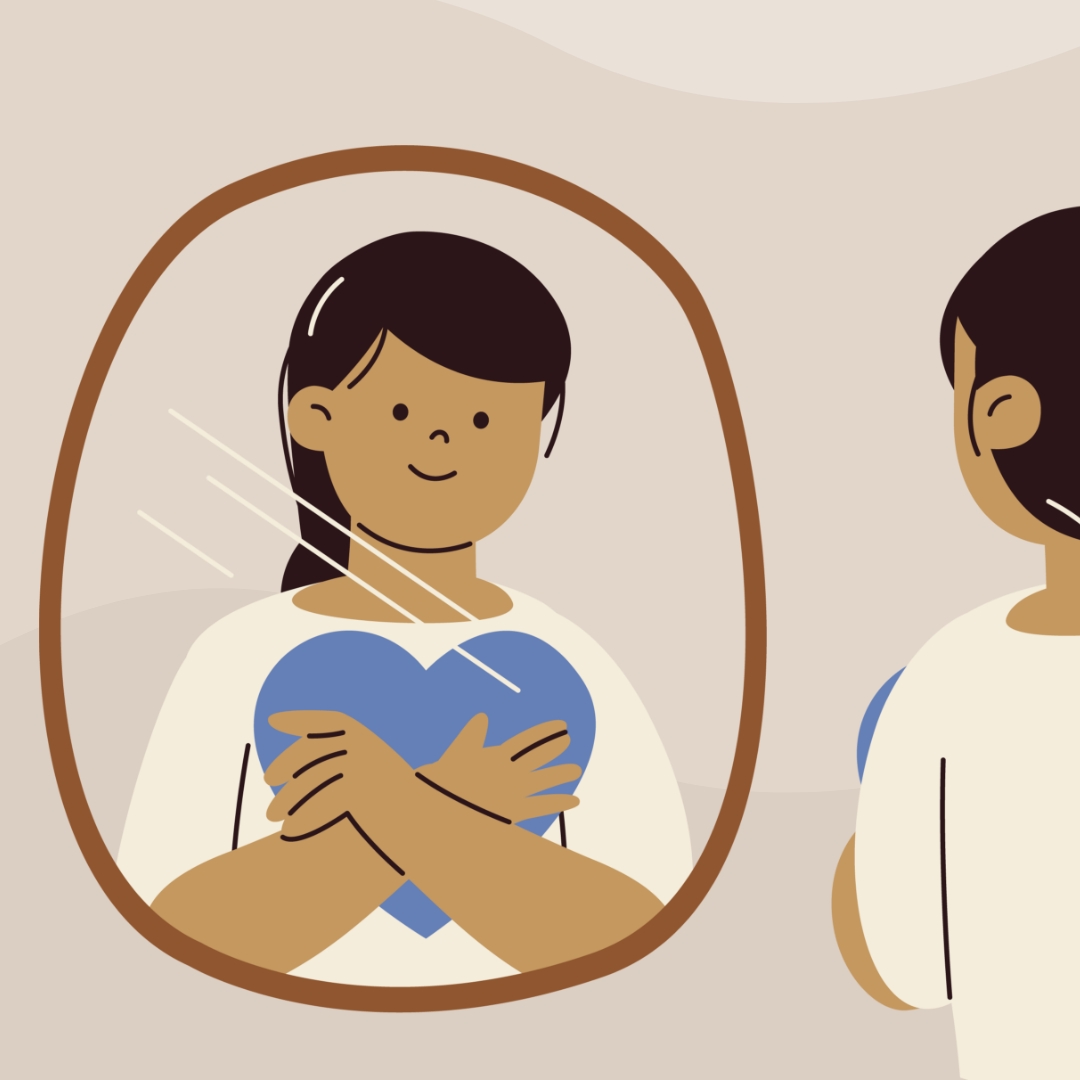
I've been noticing the ways I can be rude, in person and on my phone. This week I share two recent examples of my own, plus why correcting myself out loud strengthens self-awareness. The talk that follows isn't about your kid. It's about you going first.
READ MORE >
An Oakland library has started lending out sports equipment and games alongside books, so families can borrow gear to use at nearby parks. It is a reminder that borrowing and lending between families is a simple way to fill a summer afternoon without a screen, while quietly modelling generosity and humility. We are out of practice at asking, but the person on the other end is usually glad to help.
READ MORE >
E-readers are convenient, but there are three reasons to lean toward paper books this summer. First, e-readers are screens, and the pull of everything else you could do on one makes it harder to stay immersed. Second, a large meta-analysis found people understand and remember slightly better on paper, especially with longer texts. Third, easy access to endless book samples makes it too tempting to jump ship rather than work through the slower parts, since reading, unlike TikTok, is about delayed gratification.
READ MORE >for more like this, DR. DELANEY RUSTON'S NEW BOOK, PARENTING IN THE SCREEN AGE, IS THE DEFINITIVE GUIDE FOR TODAY’S PARENTS. WITH INSIGHTS ON SCREEN TIME FROM RESEARCHERS, INPUT FROM KIDS & TEENS, THIS BOOK IS PACKED WITH SOLUTIONS FOR HOW TO START AND SUSTAIN PRODUCTIVE FAMILY TALKS ABOUT TECHNOLOGY AND IT’S IMPACT ON OUR MENTAL WELLBEING.