

Many kids have nothing to do after school, so they go home to screens and, increasingly, AI chatbots. Spokane Public Schools tackled this by hiring "Engagement Navigators" who proactively find these students and help them get involved, a program we feature in Screenagers: Generation AI. I also share a patient's story, advice for parents whose teens refuse activities, and ways to help other kids get involved.
One of the many solutions in our latest film isn’t about a parenting move, although we have plenty of those in the film. Rather, it’s a district-wide move that I would love to see in schools everywhere.
It has to do with the fact that many kids do not have afterschool opportunities. Instead, teens go home and scroll, and now many also spend time interacting with AI chatbots that carry many risks. Data has revealed that lonely tweens and teens are more likely to engage with AI bots like friends.
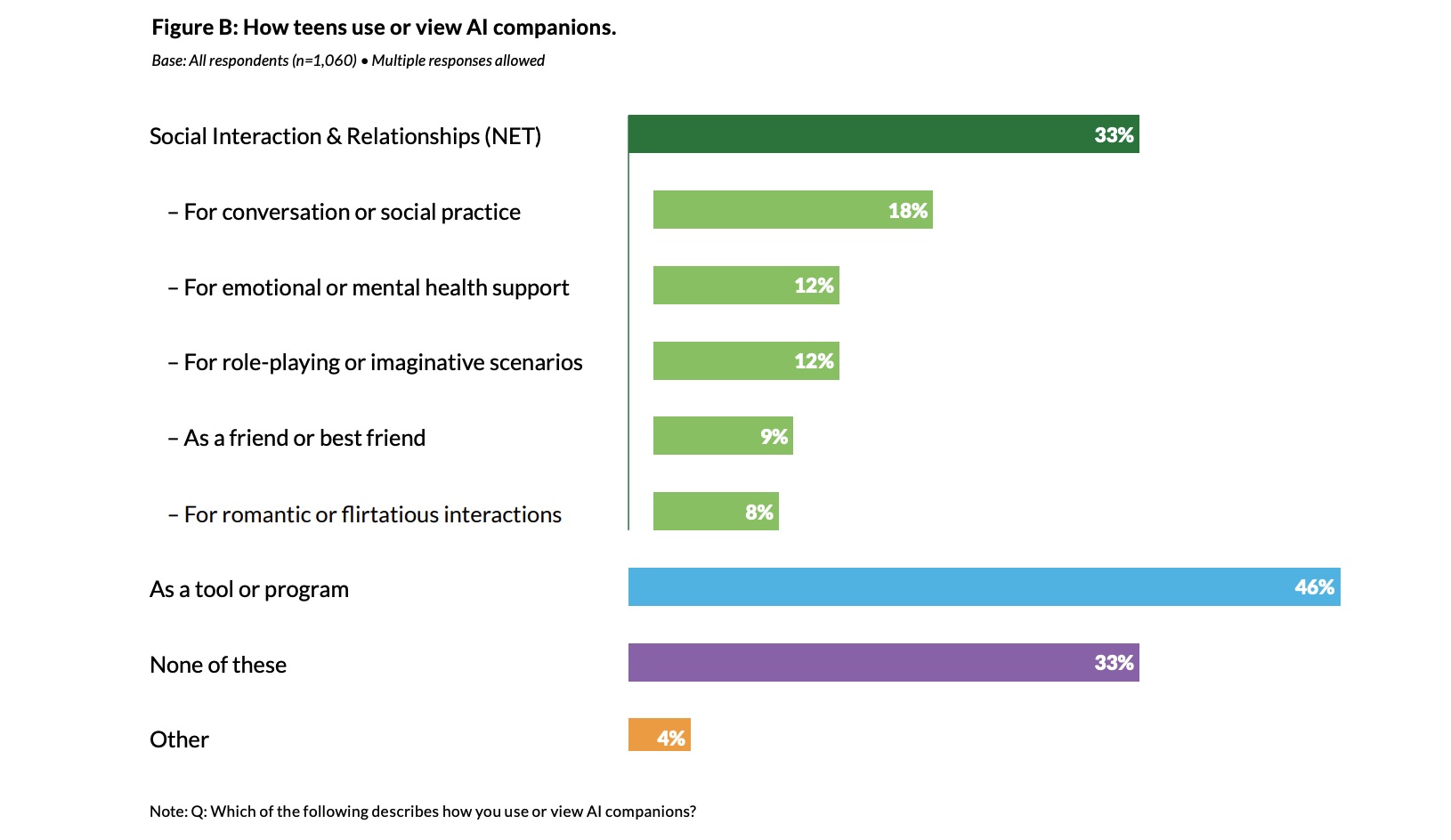
Having things to do after school helps kids in so many ways. Even if your child is already involved in afterschool activities, read on, because being informed about how we can help other kids is worth the time. I also include some things you can do to help.
Spokane Public Schools in Washington State became very concerned about data showing how much time kids spend on screens, both in and out of school. They wanted to help kids have more real-life experiences, build skills, and, importantly, make human connections.
So they started a program called Engage in Real Life (IRL), where they hired five “Engagement Navigators.” Their job is to PROACTIVELY identify kids who are not participating in afterschool activities, determine what those students might want to do, and then help make it happen.
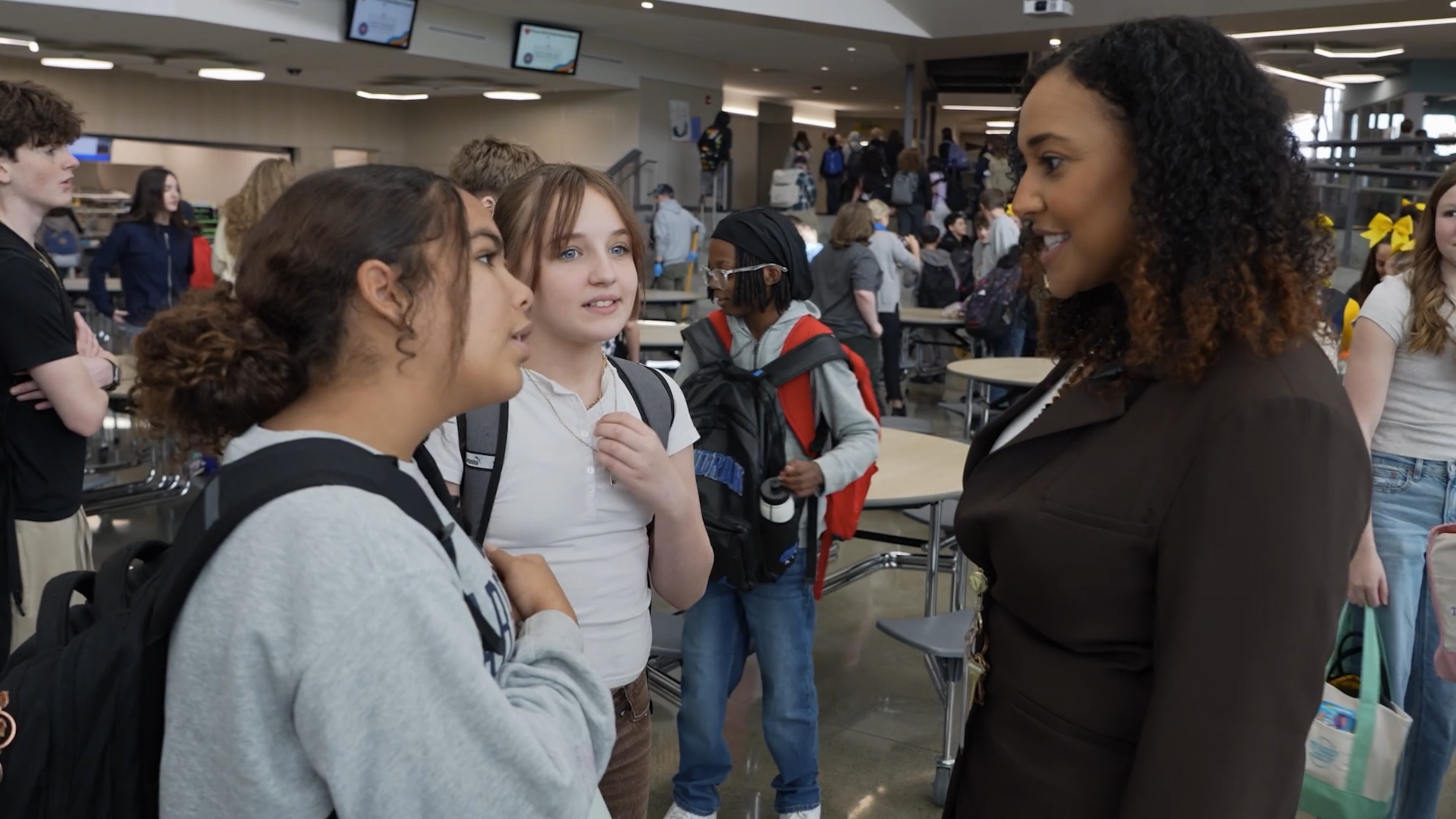
I had the opportunity to spend a day and a half with these Engagement Navigators, seeing their work in action. While I was filming in Spokane, Natalie, one of the Navigators, spoke with two high school girls and asked what they did after school. Both said they weren’t doing anything.
She asked, “What would you like to do?” and one answered, “Dance.”
Natalie asked whether she wanted to join the school dance team. The student said she was too nervous to do so at school. So Natalie and the student began discussing finding a dance opportunity outside of school instead.
I loved seeing this encounter and knowing that this student had a wonderful resource in Natalie.
As a physician, I see this need all the time. About half the tweens and teens I see in clinic aren't doing anything after school. For example, the week before school started in Seattle, I had a patient in clinic who was about to enter 10th grade. One of the first things I said, in a cheery voice, was to ask what she planned to do after school.


Learn more about showing our movies in your school or community!
Join Screenagers filmmaker Delaney Ruston MD for our latest Podcast

Learn more about our Screen-Free Sleep campaign at the website!
Our movie made for parents and educators of younger kids
Learn more about showing our movies in your school or community!
Register your interest in bringing our new movie to your school or community
The girl didn’t make eye contact but said she thought she might be playing volleyball. As the appointment continued, I learned she had wanted to play volleyball in both 8th and 9th grade but hadn’t.
During the appointment, it became clear she had social anxiety. For two years, she had largely come home after school and gone on to screens, and conversations with AI chatbots had become part of that time.
Her mom said something parents often tell me in this situation: they try and try to get their teen involved in something after school, but the teen refuses. I wish there had been Engagement Navigators at my patient’s school to help her start playing volleyball in 8th grade.
In Screenagers: Generation AI, one of the Engagement Navigators had several boys tell him they wanted a volleyball team. So he helped start one and is now their coach. In the film, he explains that being on the team helps students become better communicators. That is precisely one of the skills I know my patient will have the chance to strengthen by playing volleyball this year.
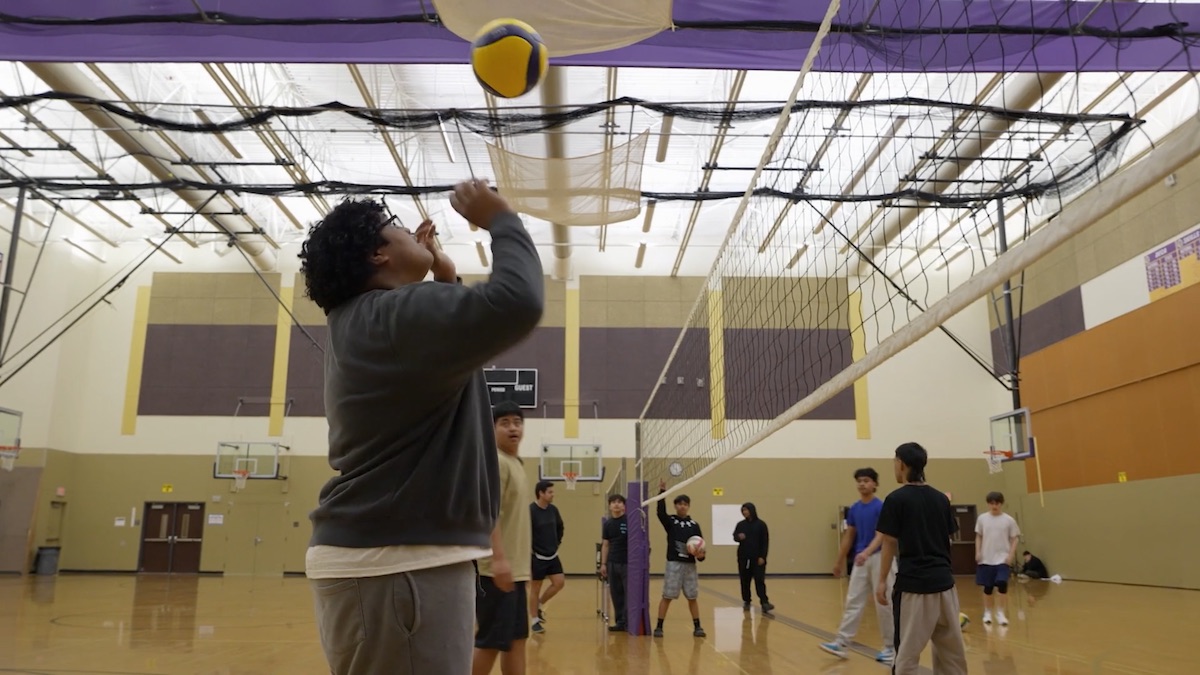
By the way, in addition to discussing her anxiety with my patient and providing skills to help manage the anxiety that might come with starting volleyball, I had her and her mom schedule an appointment with our mental health counselor. I know this counselor does a great job connecting with schools to ensure students receive the support they need.
If your teen is refusing to participate in any clubs, sports, volunteer work, or other after-school activities, here is what psychologist Laura Kastner, PhD, suggests:
Directly, you can help by talking with your child about whether they know any peers who aren't doing anything after school. If so, could your child reach out to them? For example, they might invite the student to try something they are already doing, such as a club, sport, or other activity.
It can also help to talk with the friend’s parent and brainstorm ways to get their child involved. This is brave to do. We are taught that family life is private and that we should not interfere. But for me, when it comes to all kids and screen time that can so easily fill hours that could be spent doing things that help them grow, it takes a village.
Learn more about showing our movies in your school or community!
Join Screenagers filmmaker Delaney Ruston MD for our latest Podcast
Learn more about our Screen-Free Sleep campaign at the website!
Our movie made for parents and educators of younger kids
Join Screenagers filmmaker Delaney Ruston MD for our latest Podcast
Register your interest in bringing our new movie to your school or community
Subscribe to our YouTube Channel! We add new videos regularly and you'll find over 100 videos covering parenting advice, guidance, podcasts, movie clips and more. Here's our most recent:

As we’re about to celebrate 10 years of Screenagers, we want to hear what’s been most helpful and what you’d like to see next.
Please click here to share your thoughts with us in our community survey. It only takes 5–10 minutes, and everyone who completes it will be entered to win one of five $50 Amazon vouchers.
One of the many solutions in our latest film isn’t about a parenting move, although we have plenty of those in the film. Rather, it’s a district-wide move that I would love to see in schools everywhere.
It has to do with the fact that many kids do not have afterschool opportunities. Instead, teens go home and scroll, and now many also spend time interacting with AI chatbots that carry many risks. Data has revealed that lonely tweens and teens are more likely to engage with AI bots like friends.
Having things to do after school helps kids in so many ways. Even if your child is already involved in afterschool activities, read on, because being informed about how we can help other kids is worth the time. I also include some things you can do to help.
Spokane Public Schools in Washington State became very concerned about data showing how much time kids spend on screens, both in and out of school. They wanted to help kids have more real-life experiences, build skills, and, importantly, make human connections.
So they started a program called Engage in Real Life (IRL), where they hired five “Engagement Navigators.” Their job is to PROACTIVELY identify kids who are not participating in afterschool activities, determine what those students might want to do, and then help make it happen.
I had the opportunity to spend a day and a half with these Engagement Navigators, seeing their work in action. While I was filming in Spokane, Natalie, one of the Navigators, spoke with two high school girls and asked what they did after school. Both said they weren’t doing anything.
She asked, “What would you like to do?” and one answered, “Dance.”
Natalie asked whether she wanted to join the school dance team. The student said she was too nervous to do so at school. So Natalie and the student began discussing finding a dance opportunity outside of school instead.
I loved seeing this encounter and knowing that this student had a wonderful resource in Natalie.
As a physician, I see this need all the time. About half the tweens and teens I see in clinic aren't doing anything after school. For example, the week before school started in Seattle, I had a patient in clinic who was about to enter 10th grade. One of the first things I said, in a cheery voice, was to ask what she planned to do after school.
The girl didn’t make eye contact but said she thought she might be playing volleyball. As the appointment continued, I learned she had wanted to play volleyball in both 8th and 9th grade but hadn’t.
During the appointment, it became clear she had social anxiety. For two years, she had largely come home after school and gone on to screens, and conversations with AI chatbots had become part of that time.
Her mom said something parents often tell me in this situation: they try and try to get their teen involved in something after school, but the teen refuses. I wish there had been Engagement Navigators at my patient’s school to help her start playing volleyball in 8th grade.
In Screenagers: Generation AI, one of the Engagement Navigators had several boys tell him they wanted a volleyball team. So he helped start one and is now their coach. In the film, he explains that being on the team helps students become better communicators. That is precisely one of the skills I know my patient will have the chance to strengthen by playing volleyball this year.
By the way, in addition to discussing her anxiety with my patient and providing skills to help manage the anxiety that might come with starting volleyball, I had her and her mom schedule an appointment with our mental health counselor. I know this counselor does a great job connecting with schools to ensure students receive the support they need.
If your teen is refusing to participate in any clubs, sports, volunteer work, or other after-school activities, here is what psychologist Laura Kastner, PhD, suggests:
Directly, you can help by talking with your child about whether they know any peers who aren't doing anything after school. If so, could your child reach out to them? For example, they might invite the student to try something they are already doing, such as a club, sport, or other activity.
It can also help to talk with the friend’s parent and brainstorm ways to get their child involved. This is brave to do. We are taught that family life is private and that we should not interfere. But for me, when it comes to all kids and screen time that can so easily fill hours that could be spent doing things that help them grow, it takes a village.
Subscribe to our YouTube Channel! We add new videos regularly and you'll find over 100 videos covering parenting advice, guidance, podcasts, movie clips and more. Here's our most recent:
Sign up here to receive the weekly Tech Talk Tuesdays newsletter from Screenagers filmmaker Delaney Ruston MD.
We respect your privacy.
One of the many solutions in our latest film isn’t about a parenting move, although we have plenty of those in the film. Rather, it’s a district-wide move that I would love to see in schools everywhere.
It has to do with the fact that many kids do not have afterschool opportunities. Instead, teens go home and scroll, and now many also spend time interacting with AI chatbots that carry many risks. Data has revealed that lonely tweens and teens are more likely to engage with AI bots like friends.
Having things to do after school helps kids in so many ways. Even if your child is already involved in afterschool activities, read on, because being informed about how we can help other kids is worth the time. I also include some things you can do to help.
Spokane Public Schools in Washington State became very concerned about data showing how much time kids spend on screens, both in and out of school. They wanted to help kids have more real-life experiences, build skills, and, importantly, make human connections.
So they started a program called Engage in Real Life (IRL), where they hired five “Engagement Navigators.” Their job is to PROACTIVELY identify kids who are not participating in afterschool activities, determine what those students might want to do, and then help make it happen.
I had the opportunity to spend a day and a half with these Engagement Navigators, seeing their work in action. While I was filming in Spokane, Natalie, one of the Navigators, spoke with two high school girls and asked what they did after school. Both said they weren’t doing anything.
She asked, “What would you like to do?” and one answered, “Dance.”
Natalie asked whether she wanted to join the school dance team. The student said she was too nervous to do so at school. So Natalie and the student began discussing finding a dance opportunity outside of school instead.
I loved seeing this encounter and knowing that this student had a wonderful resource in Natalie.
As a physician, I see this need all the time. About half the tweens and teens I see in clinic aren't doing anything after school. For example, the week before school started in Seattle, I had a patient in clinic who was about to enter 10th grade. One of the first things I said, in a cheery voice, was to ask what she planned to do after school.
Tech journalist Manoush Zomorodi recently shared with Delaney the story behind her new book Body Electric and the citizen science experiment she ran with NPR and Dr. Keith Diaz of Columbia. The 20,000-person study found that five minutes of movement for every thirty minutes of sitting dropped fatigue by up to 28%, lowered blood glucose and blood pressure, and improved focus and mood. Plus, five practical reframes for talking to kids about movement without the eye rolls.
READ MORE >
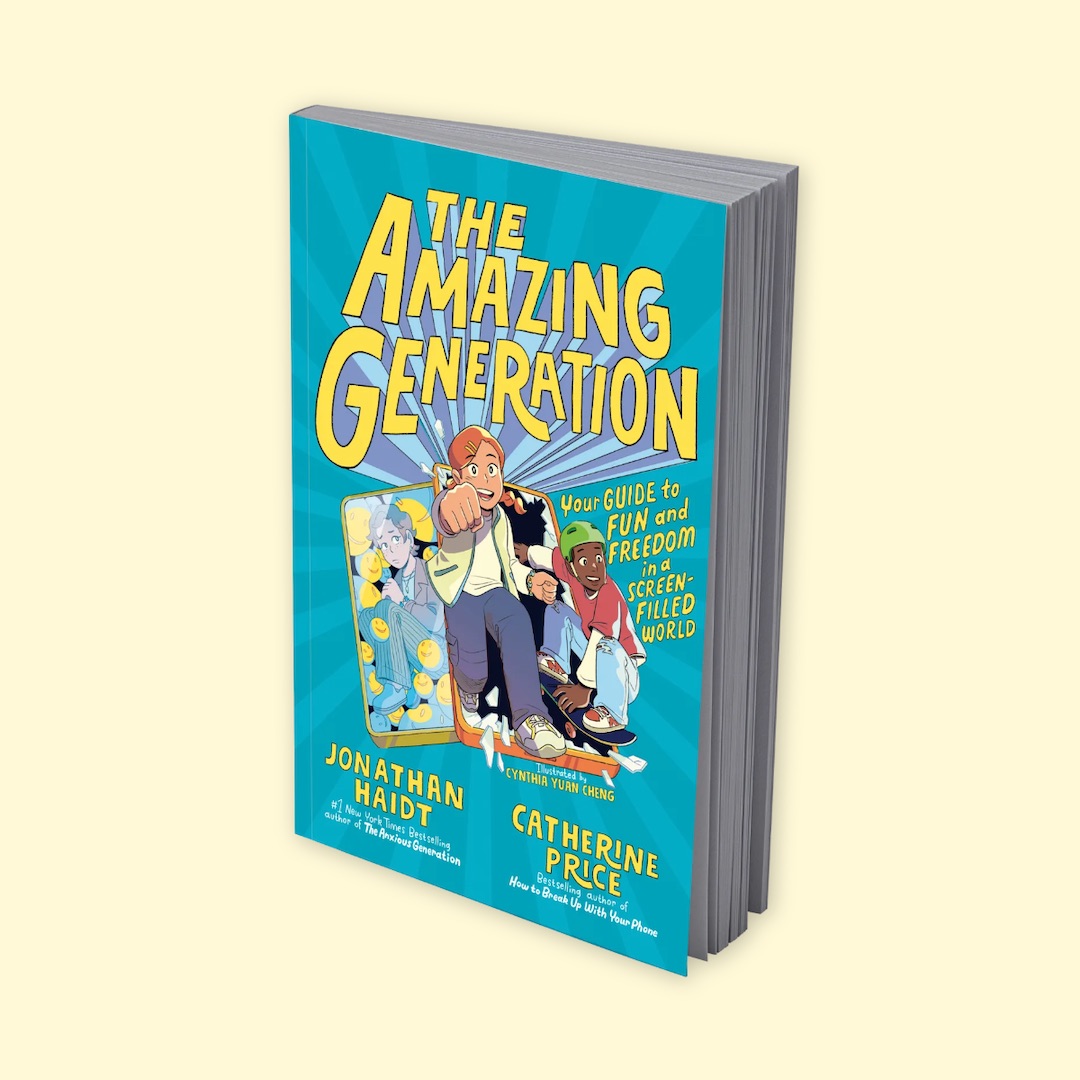
Catherine Price’s “Rebel's Code” focuses on intentional technology use and prioritizing real-world friendship, freedom, and fun. Her book The Amazing Generation, co-written with Jonathan Haidt, introduces these concepts to children through interactive formats and teen perspectives. Research indicates that when adolescents understand how platforms are designed to exploit attention, they show greater motivation to limit their social media use.
READ MORE >for more like this, DR. DELANEY RUSTON'S NEW BOOK, PARENTING IN THE SCREEN AGE, IS THE DEFINITIVE GUIDE FOR TODAY’S PARENTS. WITH INSIGHTS ON SCREEN TIME FROM RESEARCHERS, INPUT FROM KIDS & TEENS, THIS BOOK IS PACKED WITH SOLUTIONS FOR HOW TO START AND SUSTAIN PRODUCTIVE FAMILY TALKS ABOUT TECHNOLOGY AND IT’S IMPACT ON OUR MENTAL WELLBEING.