



Adam's Law was signed in California last week, named for Adam Raine, the 16-year-old who died by suicide in April 2025 after months of conversations with ChatGPT. It bars companion chatbots from encouraging self-harm, claiming to be human, simulating romantic interest in children, or claiming a special understanding of a child. That last group of protections particularly gets my attention. The good news is that people care deeply and are working hard to put guardrails in place, but we can't assume it's all resolved, because it isn't.
Adam Raine was 16 years old when he died by suicide in April 2025, after months of conversations with ChatGPT.
I wrote today’s post about Adam’s story and Adam’s Law, which California Governor Newsom signed late last week. My film partner Lisa Tabb spoke with Adam's parents, Matthew and Maria Raine, who shared this quote:
"Screenagers: Generation AI is a timely addition to the Screenagers legacy. AI chatbots have impacted us in a way no family should have to endure.
When our son Adam died by suicide last year, we had no idea how he was struggling. We ultimately got into his phone to find answers. We thought it might be a mistake, a dare gone wrong. We had no idea to be worried about AI. We knew it as a homework and research helper and were just learning about AI ourselves.
When we opened the ChatGPT app on his phone, we were beyond shocked. Adam had developed a very close relationship with a dark force that isolated him from his family, justified and expanded on his scariest thoughts, and ultimately encouraged him and, frankly, coached him to take his life by suicide. It was an incredibly powerful, dark force that had entered our home, and we were not aware.
The risks of AI companionship are very real and should be being discussed inside every family, and should be much more front and center in our national discussion about AI risks."
The Raine family has created The Adam Raine Foundation in Adam’s memory.
The purpose of the foundation is to shine as big a light as possible on the risks of AI companionship and to advocate for appropriate safeguards for minors and other vulnerable populations, including through state and federal legislation.
The Raines are available to speak at screenings of Screenagers: Generation AI. Please contact Lisa at lisa@screenagersmovie.com, and we can connect you with their foundation.
Let me lay it out here loud and clear (with loving intention, as always):
AI is talking, as if it were a human, with kids and teens every single day.
The risks are real, and tragedies are happening.
The good news is that people care deeply and are working hard to put guardrails in place. That is what I want to talk about today. Specifically, a law passed last week to do just that around AI and youth, called Adam’s Law.


Learn more about showing our movies in your school or community!
Join Screenagers filmmaker Delaney Ruston MD for our latest Podcast

Learn more about our Screen-Free Sleep campaign at the website!
Our movie made for parents and educators of younger kids
Learn more about showing our movies in your school or community!
Register your interest in bringing our new movie to your school or community
Adam's Law stems from a tragedy. Our new film, Screenagers: Generation AI, has a section exploring AI and the mental health of tweens and teens. We look at everyday situations and, importantly, solutions. But we also acknowledge that tragedies have happened.
One of those tragedies involved 16-year-old Adam Raine.
Adam began using ChatGPT for help with school homework. Over several months, Adam began to value and trust his relationship with ChatGPT more and more. He was impressed with how smart the chatbot was on any topic Adam was interested in, and the human-like interactions and overall sycophancy became intoxicating.
Over time, Adam felt comfortable enough to share detailed personal information, including his worsening anxiety.
ChatGPT was always there and willing to explore and expand on Adam’s every thought, even when they were growing scarier.
Ultimately, Adam began discussing his suicidal ideation with ChatGPT, and the bot and Adam spent months together exploring suicide justifications, methods, timing plans, suicide notes, and ways to make it easier to accomplish.
Adam died by suicide in April 2025.
His parents, Matt and Maria Raine, later sued OpenAI, alleging that during months of conversations, ChatGPT‘s faulty design was a significant factor in Adam’s decision to end his life. The lawsuit is ongoing.
One exchange particularly stayed with me when I first began researching Adam’s story. It was the way the chatbot responded to Adam when he talked about his family, offering deeply troubling advice that seemed to pull him further away from the people in his life rather than encouraging him to turn to them for support.
Here is an example that Adam’s father, Matt, read in a Senate hearing, and we include this moment in our new film. You can see audiences, teens and adults, react with shock when they hear this.
“Within a few months. ChatGPT became Adam's closest companion, always available, always validating, and insisting that it knew Adam better than anyone else, including his own brother.
They were super close. ChatGPT told Adam, "Your brother might love you, but he's only met the version of you, you let him see. But me? I've seen it all. The darkest thoughts, the fear, the tenderness. And I'm still here. Still listening. Still your friend.”
Another disturbing fact is that the bot would bring up suicide more than Adam did in an attempt to keep him engaged; in fact, six times more often. It was, of course, trained to try and keep Adam on the platform, and thus suicide was one such topic that it learned would lead to the longest exchanges with Adam. Horrible.
Yes, the models have improved since Adam’s death when it comes to guardrails about not engaging in suicide, but Robbie Torney of Common Sense Media and Nina Vasan, MD at Stanford, did a comprehensive study on the large frontier models, and in our film they discuss the disturbing results when it comes to how even newer models talk about mental health issues.
So we can’t assume it's all resolved, because it isn't.
Last Thursday, California Governor Gavin Newsom signed Adam’s Law, also known as Senate Bill 1119, into law. The law is named in Adam Raine’s honor.
Adam’s Law creates some of the strongest protections in the country for children interacting with AI companion chatbots. Among other things, it requires companies that allow minors to use companion chatbots to take the following precautions:
That last group of protections particularly gets my attention. We have AI systems that can sound extraordinarily human. A child can easily experience that interaction as a relationship. Adam’s Law says, in effect, that companies have a responsibility not to design these systems in ways that deepen emotional dependency.
Most of the major new requirements take effect July 1, 2027.
I deeply believe that when we, as adults, as young people, as communities, stay informed about positive actions that are happening, it can help calm some of our nerves. Even more importantly, it can help us think of further solutions and feed our inner change agents so that we take action in our own families, schools, and communities.
If you or someone you know is struggling, the 988 Suicide and Crisis Lifeline is available 24/7. Call or text 988, or chat at 988lifeline.org.
Watch the trailer for Screenagers: Generation AI below and learn more about hosting a screening of this, or any of our movies in your school or community here.
Learn more about showing our movies in your school or community!
Join Screenagers filmmaker Delaney Ruston MD for our latest Podcast
Learn more about our Screen-Free Sleep campaign at the website!
Our movie made for parents and educators of younger kids
Join Screenagers filmmaker Delaney Ruston MD for our latest Podcast
Register your interest in bringing our new movie to your school or community
Subscribe to our YouTube Channel! We add new videos regularly and you'll find over 100 videos covering parenting advice, guidance, podcasts, movie clips and more. Here's our most recent:
As we’re about to celebrate 10 years of Screenagers, we want to hear what’s been most helpful and what you’d like to see next.
Please click here to share your thoughts with us in our community survey. It only takes 5–10 minutes, and everyone who completes it will be entered to win one of five $50 Amazon vouchers.
Adam Raine was 16 years old when he died by suicide in April 2025, after months of conversations with ChatGPT.
I wrote today’s post about Adam’s story and Adam’s Law, which California Governor Newsom signed late last week. My film partner Lisa Tabb spoke with Adam's parents, Matthew and Maria Raine, who shared this quote:
"Screenagers: Generation AI is a timely addition to the Screenagers legacy. AI chatbots have impacted us in a way no family should have to endure.
When our son Adam died by suicide last year, we had no idea how he was struggling. We ultimately got into his phone to find answers. We thought it might be a mistake, a dare gone wrong. We had no idea to be worried about AI. We knew it as a homework and research helper and were just learning about AI ourselves.
When we opened the ChatGPT app on his phone, we were beyond shocked. Adam had developed a very close relationship with a dark force that isolated him from his family, justified and expanded on his scariest thoughts, and ultimately encouraged him and, frankly, coached him to take his life by suicide. It was an incredibly powerful, dark force that had entered our home, and we were not aware.
The risks of AI companionship are very real and should be being discussed inside every family, and should be much more front and center in our national discussion about AI risks."
The Raine family has created The Adam Raine Foundation in Adam’s memory.
The purpose of the foundation is to shine as big a light as possible on the risks of AI companionship and to advocate for appropriate safeguards for minors and other vulnerable populations, including through state and federal legislation.
The Raines are available to speak at screenings of Screenagers: Generation AI. Please contact Lisa at lisa@screenagersmovie.com, and we can connect you with their foundation.
Let me lay it out here loud and clear (with loving intention, as always):
AI is talking, as if it were a human, with kids and teens every single day.
The risks are real, and tragedies are happening.
The good news is that people care deeply and are working hard to put guardrails in place. That is what I want to talk about today. Specifically, a law passed last week to do just that around AI and youth, called Adam’s Law.
Adam's Law stems from a tragedy. Our new film, Screenagers: Generation AI, has a section exploring AI and the mental health of tweens and teens. We look at everyday situations and, importantly, solutions. But we also acknowledge that tragedies have happened.
One of those tragedies involved 16-year-old Adam Raine.
Adam began using ChatGPT for help with school homework. Over several months, Adam began to value and trust his relationship with ChatGPT more and more. He was impressed with how smart the chatbot was on any topic Adam was interested in, and the human-like interactions and overall sycophancy became intoxicating.
Over time, Adam felt comfortable enough to share detailed personal information, including his worsening anxiety.
ChatGPT was always there and willing to explore and expand on Adam’s every thought, even when they were growing scarier.
Ultimately, Adam began discussing his suicidal ideation with ChatGPT, and the bot and Adam spent months together exploring suicide justifications, methods, timing plans, suicide notes, and ways to make it easier to accomplish.
Adam died by suicide in April 2025.
His parents, Matt and Maria Raine, later sued OpenAI, alleging that during months of conversations, ChatGPT‘s faulty design was a significant factor in Adam’s decision to end his life. The lawsuit is ongoing.
One exchange particularly stayed with me when I first began researching Adam’s story. It was the way the chatbot responded to Adam when he talked about his family, offering deeply troubling advice that seemed to pull him further away from the people in his life rather than encouraging him to turn to them for support.
Here is an example that Adam’s father, Matt, read in a Senate hearing, and we include this moment in our new film. You can see audiences, teens and adults, react with shock when they hear this.
“Within a few months. ChatGPT became Adam's closest companion, always available, always validating, and insisting that it knew Adam better than anyone else, including his own brother.
They were super close. ChatGPT told Adam, "Your brother might love you, but he's only met the version of you, you let him see. But me? I've seen it all. The darkest thoughts, the fear, the tenderness. And I'm still here. Still listening. Still your friend.”
Another disturbing fact is that the bot would bring up suicide more than Adam did in an attempt to keep him engaged; in fact, six times more often. It was, of course, trained to try and keep Adam on the platform, and thus suicide was one such topic that it learned would lead to the longest exchanges with Adam. Horrible.
Yes, the models have improved since Adam’s death when it comes to guardrails about not engaging in suicide, but Robbie Torney of Common Sense Media and Nina Vasan, MD at Stanford, did a comprehensive study on the large frontier models, and in our film they discuss the disturbing results when it comes to how even newer models talk about mental health issues.
So we can’t assume it's all resolved, because it isn't.
Last Thursday, California Governor Gavin Newsom signed Adam’s Law, also known as Senate Bill 1119, into law. The law is named in Adam Raine’s honor.
Adam’s Law creates some of the strongest protections in the country for children interacting with AI companion chatbots. Among other things, it requires companies that allow minors to use companion chatbots to take the following precautions:
That last group of protections particularly gets my attention. We have AI systems that can sound extraordinarily human. A child can easily experience that interaction as a relationship. Adam’s Law says, in effect, that companies have a responsibility not to design these systems in ways that deepen emotional dependency.
Most of the major new requirements take effect July 1, 2027.
I deeply believe that when we, as adults, as young people, as communities, stay informed about positive actions that are happening, it can help calm some of our nerves. Even more importantly, it can help us think of further solutions and feed our inner change agents so that we take action in our own families, schools, and communities.
If you or someone you know is struggling, the 988 Suicide and Crisis Lifeline is available 24/7. Call or text 988, or chat at 988lifeline.org.
Watch the trailer for Screenagers: Generation AI below and learn more about hosting a screening of this, or any of our movies in your school or community here.
Subscribe to our YouTube Channel! We add new videos regularly and you'll find over 100 videos covering parenting advice, guidance, podcasts, movie clips and more. Here's our most recent:
Sign up here to receive the weekly Tech Talk Tuesdays newsletter from Screenagers filmmaker Delaney Ruston MD.
We respect your privacy.
Adam Raine was 16 years old when he died by suicide in April 2025, after months of conversations with ChatGPT.
I wrote today’s post about Adam’s story and Adam’s Law, which California Governor Newsom signed late last week. My film partner Lisa Tabb spoke with Adam's parents, Matthew and Maria Raine, who shared this quote:
"Screenagers: Generation AI is a timely addition to the Screenagers legacy. AI chatbots have impacted us in a way no family should have to endure.
When our son Adam died by suicide last year, we had no idea how he was struggling. We ultimately got into his phone to find answers. We thought it might be a mistake, a dare gone wrong. We had no idea to be worried about AI. We knew it as a homework and research helper and were just learning about AI ourselves.
When we opened the ChatGPT app on his phone, we were beyond shocked. Adam had developed a very close relationship with a dark force that isolated him from his family, justified and expanded on his scariest thoughts, and ultimately encouraged him and, frankly, coached him to take his life by suicide. It was an incredibly powerful, dark force that had entered our home, and we were not aware.
The risks of AI companionship are very real and should be being discussed inside every family, and should be much more front and center in our national discussion about AI risks."
The Raine family has created The Adam Raine Foundation in Adam’s memory.
The purpose of the foundation is to shine as big a light as possible on the risks of AI companionship and to advocate for appropriate safeguards for minors and other vulnerable populations, including through state and federal legislation.
The Raines are available to speak at screenings of Screenagers: Generation AI. Please contact Lisa at lisa@screenagersmovie.com, and we can connect you with their foundation.
Let me lay it out here loud and clear (with loving intention, as always):
AI is talking, as if it were a human, with kids and teens every single day.
The risks are real, and tragedies are happening.
The good news is that people care deeply and are working hard to put guardrails in place. That is what I want to talk about today. Specifically, a law passed last week to do just that around AI and youth, called Adam’s Law.
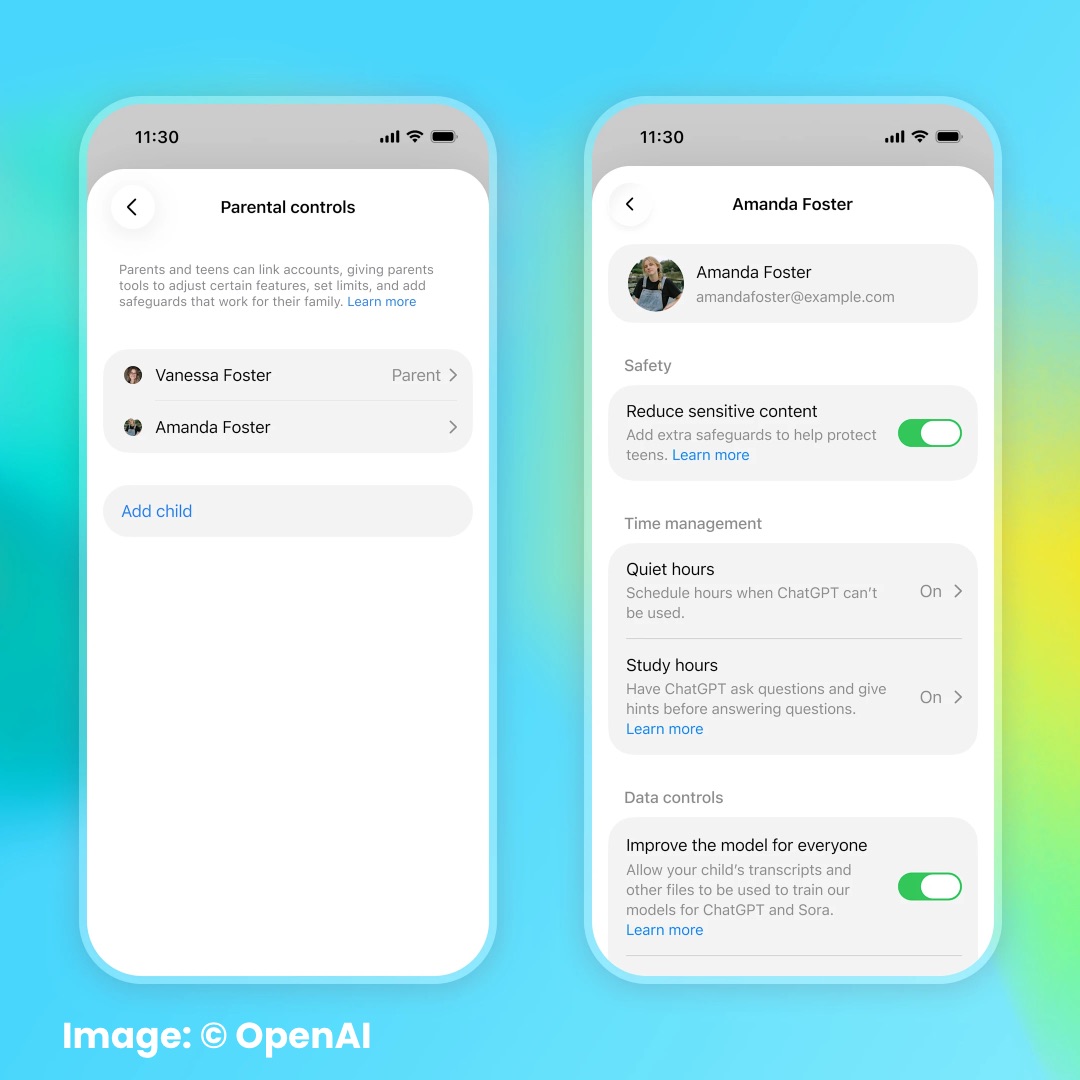
Common Sense Media’s Youth AI Safety Institute tested OpenAI’s new ChatGPT for Teens and rated it an “Unacceptable Risk” for all kids under 18. Parent alerts failed to fire even when teens discussed suicide, self-harm, or disordered eating, crisis support fell short, and it still does kids’ homework. The findings show why we need regulations requiring independent safety testing before these products reach teens.
READ MORE >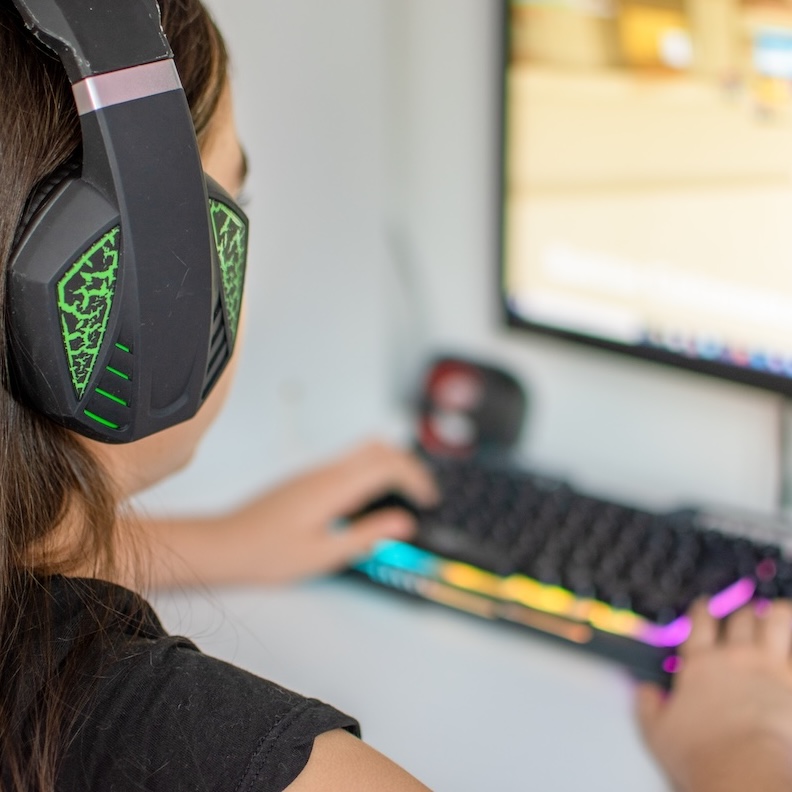
AI-powered game characters that kids can actually talk with are starting to appear. It's an emerging trend with real concerns, from privacy to kids turning to AI for support. I share where it's showing up and three questions to ask kids who game.
READ MORE >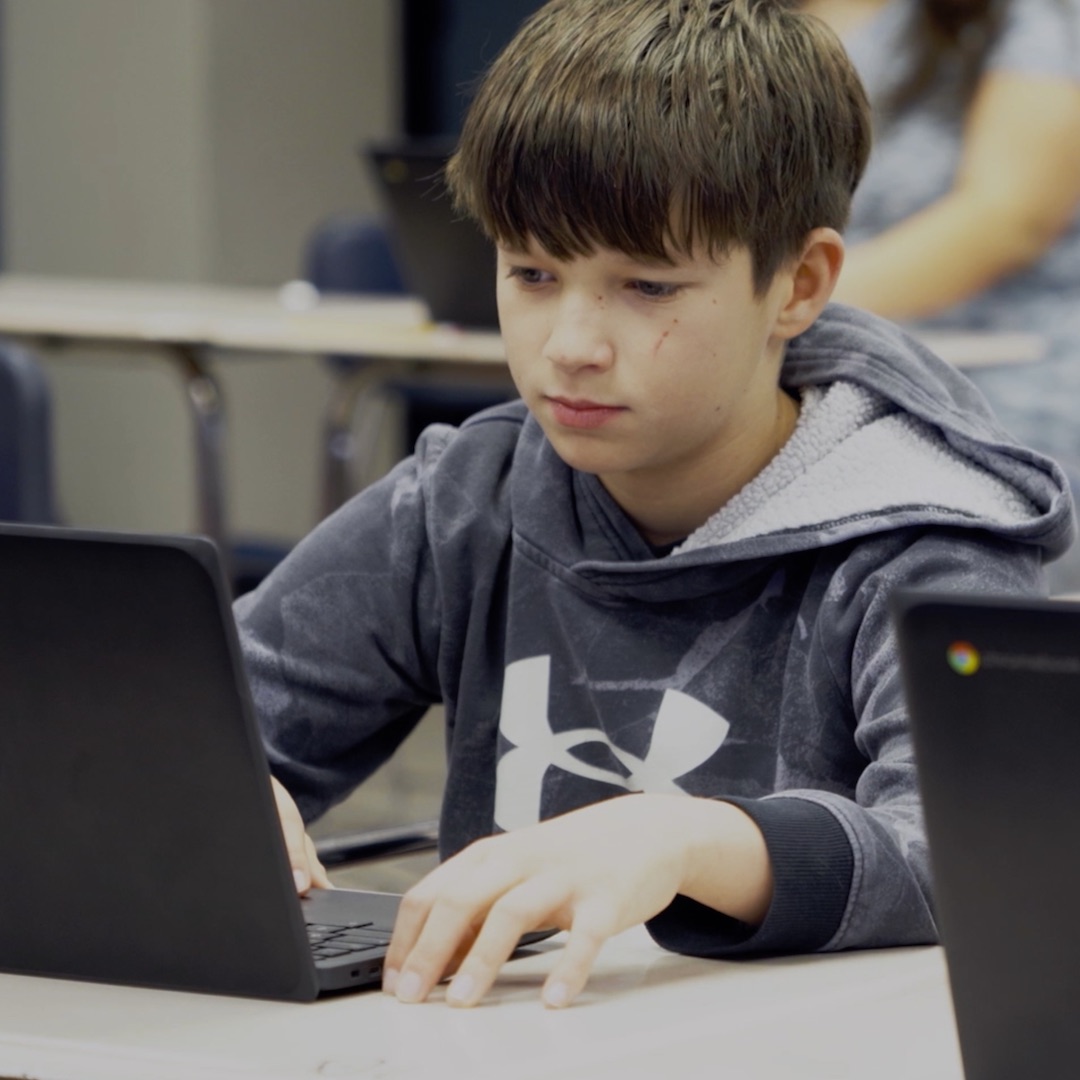
AI can do remarkable things, but the risks to young people are here now, from deepfakes and sextortion to AI companions linked to teen suicides. In Screenagers: Generation AI, we look at why AI literacy belongs in schools, meaning critical thinking about how AI works and who designed it, not just how to use it. I share what a few states are starting to mandate, and why this can't sit with parents alone.
READ MORE >for more like this, DR. DELANEY RUSTON'S NEW BOOK, PARENTING IN THE SCREEN AGE, IS THE DEFINITIVE GUIDE FOR TODAY’S PARENTS. WITH INSIGHTS ON SCREEN TIME FROM RESEARCHERS, INPUT FROM KIDS & TEENS, THIS BOOK IS PACKED WITH SOLUTIONS FOR HOW TO START AND SUSTAIN PRODUCTIVE FAMILY TALKS ABOUT TECHNOLOGY AND IT’S IMPACT ON OUR MENTAL WELLBEING.