


A Los Angeles jury has found Meta and YouTube liable for designing platforms that addicted a child and harmed her mental health, the first verdict of its kind. The case shifted the legal debate away from free speech and Section 230 protections toward platform design and its impact on young users. This is being called social media's "Big Tobacco moment," and it is one worth explaining to the kids in your life.
Last week, a jury in Los Angeles made history. For the first time ever, Meta and YouTube have been found liable for designing platforms that addicted a child and harmed her mental health.
The plaintiff, Kaley, started using YouTube at 6 and Instagram at 9. During the trial, her lawyers showed internal Meta documents, including one that said: "If we wanna win big with teens, we must bring them in as tweens."
Meta and YouTube's defense tried to blame Kaley's struggles on other parts of her life. The jury saw through it. As a doctor who works with teens and their mental health, that defence disturbed me.
It's a tactic I've seen before: deflect, minimize, point anywhere but the product. But the evidence told a different story.
These companies had the data. Remember Frances Haugen? Her book shows how much they knew, and the personal cost of speaking out. Others, like the wonderful Arturo Bejar, have also come forward.


Learn more about showing our movies in your school or community!
Join Screenagers filmmaker Delaney Ruston MD for our latest Podcast

Learn more about our Screen-Free Sleep campaign at the website!
Our movie made for parents and educators of younger kids
Learn more about showing our movies in your school or community!
Register your interest in bringing our new movie to your school or community
Kaley’s attorney, Mark Lanier, and his team were extraordinary, pushing forward even after Lanier nearly lost his voice mid-trial.
I also want to give a huge shoutout to the Scrolling to Death podcast’s “The Heat Is On” series. The podcast’s host, Nicki Petrosis, along with Sarah Gardner, did a remarkable job covering the trial day by day.
I've spent more than a decade making films about how technology affects our kids. FINALLY, a jury confirmed what so many families have known for years.
Yes, the companies will appeal. But I am hopeful that this watershed moment will indeed result in much-needed changes for the sake of our children, our families, and our world.
Learn more about showing our movies in your school or community!
Join Screenagers filmmaker Delaney Ruston MD for our latest Podcast
Learn more about our Screen-Free Sleep campaign at the website!
Our movie made for parents and educators of younger kids
Join Screenagers filmmaker Delaney Ruston MD for our latest Podcast
Register your interest in bringing our new movie to your school or community
Subscribe to our YouTube Channel! We add new videos regularly and you'll find over 100 videos covering parenting advice, guidance, podcasts, movie clips and more. Here's our most recent:

As we’re about to celebrate 10 years of Screenagers, we want to hear what’s been most helpful and what you’d like to see next.
Please click here to share your thoughts with us in our community survey. It only takes 5–10 minutes, and everyone who completes it will be entered to win one of five $50 Amazon vouchers.
Last week, a jury in Los Angeles made history. For the first time ever, Meta and YouTube have been found liable for designing platforms that addicted a child and harmed her mental health.
The plaintiff, Kaley, started using YouTube at 6 and Instagram at 9. During the trial, her lawyers showed internal Meta documents, including one that said: "If we wanna win big with teens, we must bring them in as tweens."
Meta and YouTube's defense tried to blame Kaley's struggles on other parts of her life. The jury saw through it. As a doctor who works with teens and their mental health, that defence disturbed me.
It's a tactic I've seen before: deflect, minimize, point anywhere but the product. But the evidence told a different story.
These companies had the data. Remember Frances Haugen? Her book shows how much they knew, and the personal cost of speaking out. Others, like the wonderful Arturo Bejar, have also come forward.
Kaley’s attorney, Mark Lanier, and his team were extraordinary, pushing forward even after Lanier nearly lost his voice mid-trial.
I also want to give a huge shoutout to the Scrolling to Death podcast’s “The Heat Is On” series. The podcast’s host, Nicki Petrosis, along with Sarah Gardner, did a remarkable job covering the trial day by day.
I've spent more than a decade making films about how technology affects our kids. FINALLY, a jury confirmed what so many families have known for years.
Yes, the companies will appeal. But I am hopeful that this watershed moment will indeed result in much-needed changes for the sake of our children, our families, and our world.
Subscribe to our YouTube Channel! We add new videos regularly and you'll find over 100 videos covering parenting advice, guidance, podcasts, movie clips and more. Here's our most recent:
Sign up here to receive the weekly Tech Talk Tuesdays newsletter from Screenagers filmmaker Delaney Ruston MD.
We respect your privacy.
Last week, a jury in Los Angeles made history. For the first time ever, Meta and YouTube have been found liable for designing platforms that addicted a child and harmed her mental health.
The plaintiff, Kaley, started using YouTube at 6 and Instagram at 9. During the trial, her lawyers showed internal Meta documents, including one that said: "If we wanna win big with teens, we must bring them in as tweens."
Meta and YouTube's defense tried to blame Kaley's struggles on other parts of her life. The jury saw through it. As a doctor who works with teens and their mental health, that defence disturbed me.
It's a tactic I've seen before: deflect, minimize, point anywhere but the product. But the evidence told a different story.
These companies had the data. Remember Frances Haugen? Her book shows how much they knew, and the personal cost of speaking out. Others, like the wonderful Arturo Bejar, have also come forward.
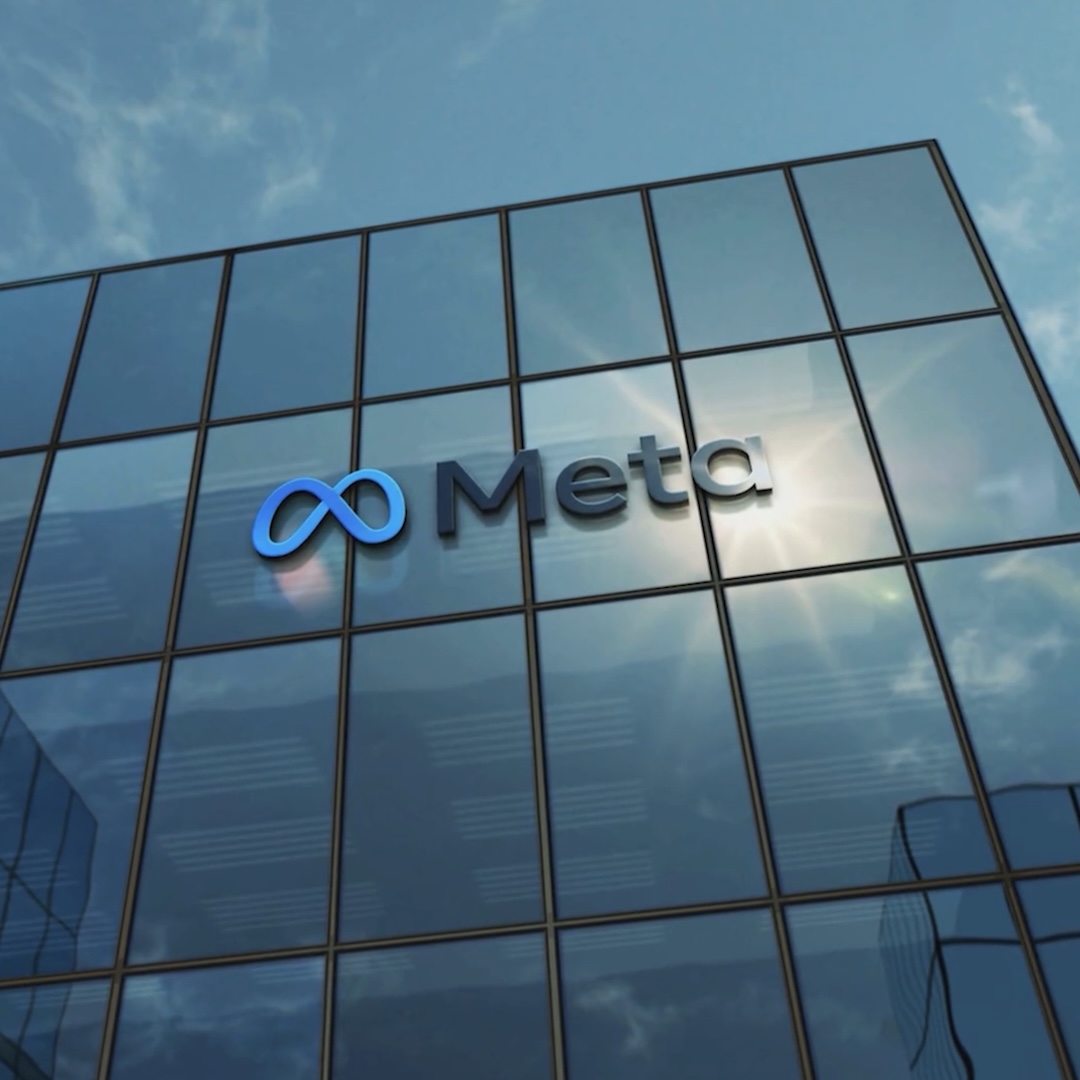
Meta's $17.1 billion settlement requires new safety measures for under-18 users, including a two-hour daily limit and blocking Instagram and Facebook overnight. I'm frustrated it took this long, and that an overnight block can falsely reassure parents when what we really need is a national push for screen-free sleep. I'm glad it happened. And with AI, we have to move much faster.
READ MORE >
The first of more than a thousand school district lawsuits against TikTok, Snapchat, Meta, and YouTube has settled, with a small Kentucky district awarded $27 million. Discovery records made public showed the companies designed to reach kids during the school day, from in-class alerts to keeping notifications on against safety teams' advice, while research finds students spend about 1.5 hours of a 6.5-hour school day on their phones.
READ MORE >
The first of 1,200+ school district lawsuits against social media companies just settled, with Meta, YouTube, Snap, and TikTok all paying out rather than face a jury. Meta points to its Teen Accounts feature as proof of safety, but a study by former Meta safety lead Arturo Bejar found only 8 of 47 advertised features actually work as described.
READ MORE >for more like this, DR. DELANEY RUSTON'S NEW BOOK, PARENTING IN THE SCREEN AGE, IS THE DEFINITIVE GUIDE FOR TODAY’S PARENTS. WITH INSIGHTS ON SCREEN TIME FROM RESEARCHERS, INPUT FROM KIDS & TEENS, THIS BOOK IS PACKED WITH SOLUTIONS FOR HOW TO START AND SUSTAIN PRODUCTIVE FAMILY TALKS ABOUT TECHNOLOGY AND IT’S IMPACT ON OUR MENTAL WELLBEING.